

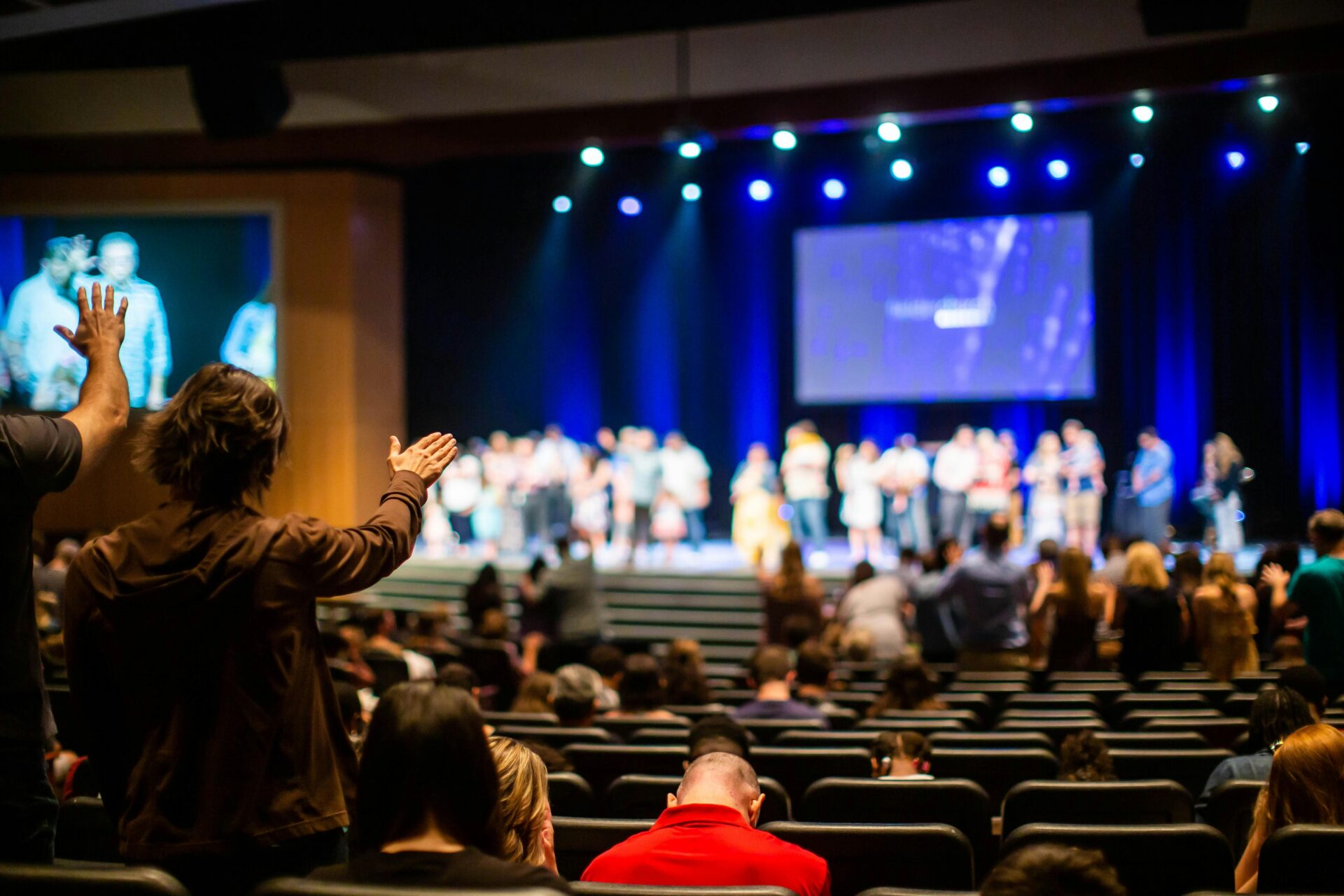
Niche conventions have grown from small gatherings of enthusiasts into massive cultural events that attract thousands of participants worldwide. In the early 20th century, fan conventions were often centered on mainstream genres like science fiction, but over time, the scope of interest broadened significantly. What sets niche conventions apart from larger mainstream events is their laser-focused dedication to specific interests, whether it’s horror films, comic books, handmade crafts, or obscure video games. This evolution reflects the growing desire of people to connect deeply with others who share their passions, creating communities that celebrate specialized knowledge and creativity.
The rise of niche conventions is also closely linked to the accessibility of media and communication. With the internet, social media, and digital forums, enthusiasts could discover, organize, and mobilize communities around highly specific interests. In the past, fans of a particular horror subgenre or indie craft style might have felt isolated, but online platforms allowed them to find like-minded individuals. This community-building led to the creation of conventions that were not only spaces to share products and ideas but also hubs for cultural exchange and celebration. The conventions became living representations of the passions, histories, and creative outputs of these niche communities, giving them visibility that mainstream events rarely provided.
Another important factor in the rise of niche conventions is the recognition of the economic potential in specialized markets. Sponsors, vendors, and independent creators realized that enthusiasts are often highly engaged and willing to invest in products, experiences, and memberships related to their interests. This economic viability helped niche conventions grow from intimate gatherings into multi-day events featuring panels, workshops, contests, and live performances. For example, some conventions now attract brands focused on veteran apparel, demonstrating how highly specific communities can support dedicated product lines and businesses. The evolution of these conventions demonstrates that the value of niche interests goes beyond mere hobbyist enjoyment—it represents a sustainable cultural and economic ecosystem, where enthusiasts, creators, and businesses interact to celebrate and expand their shared passion.
Horror Conventions and the Cultivation of Fandom
Horror conventions are among the most illustrative examples of niche convention growth. What began as small fan meet-ups for cult film screenings has transformed into massive gatherings where fans can interact with actors, directors, and special effects artists from their favorite franchises. Events like Monsterpalooza and HorrorHound Weekend showcase a range of horror subgenres, including slasher, psychological thriller, and supernatural horror. These conventions not only celebrate films but also emphasize the creativity behind horror, from costume design and makeup effects to props and storytelling techniques.
One of the most significant aspects of horror conventions is the cultivation of fandom identity. Fans often dress in elaborate costumes, participate in panels, and engage in discussions that demonstrate both knowledge and enthusiasm for the genre. This participation creates a sense of belonging and shared culture, reinforcing that horror fandom is not just about entertainment but also about community. Many horror conventions feature Q&A sessions with creators, exclusive screenings, and live demonstrations, allowing attendees to gain insight into the creative process. This transparency and accessibility deepen the connection between fans and the media they love, transforming passive consumers into active participants in the culture.
The commercial dimension of horror conventions also plays a role in their growth. Collectibles, rare merchandise, and limited edition art cater to dedicated fans, providing a tangible connection to the stories and characters that inspire them. Horror conventions often highlight independent artists and small businesses, emphasizing creativity and niche appeal rather than mass-market products. Through this combination of community, education, and commerce, horror conventions illustrate how niche interests can flourish when supported by dedicated infrastructure, passionate participation, and a shared appreciation for the artistry and legacy of a genre.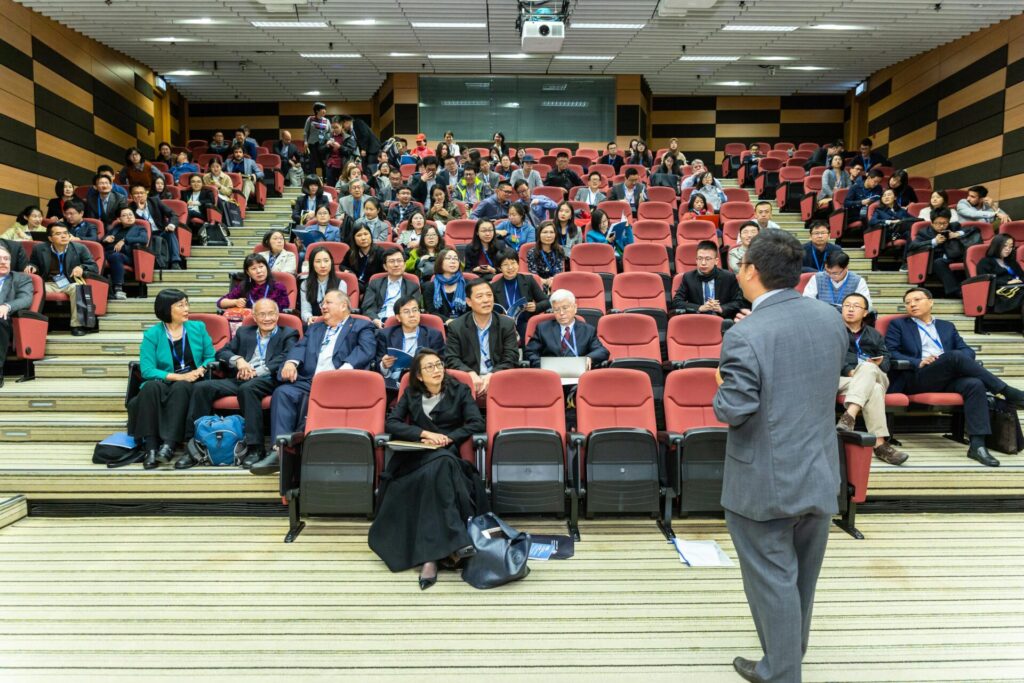
Comic and Pop Culture Conventions as Cultural Anchors
While horror conventions highlight one specific genre, comic and pop culture conventions demonstrate how niche events can evolve into cultural anchors for a broader audience. Early comic conventions were primarily gatherings of enthusiasts buying, selling, and discussing comics. Over time, these conventions expanded to include film, television, anime, video games, and collectibles. By integrating multiple subcultures, comic conventions became spaces where niche interests intersected, allowing fans to explore both familiar passions and emerging trends.
The programming of comic and pop culture conventions is often designed to maximize engagement and storytelling. Panels, workshops, and autograph sessions give fans opportunities to interact with creators, celebrities, and experts, enriching the narrative around their favorite media. Cosplay competitions and fan-led activities further encourage creativity and self-expression, reinforcing that the convention experience is as much about community and performance as it is about consumption. These elements highlight the role of niche conventions as active cultural producers rather than passive marketplaces. Attendees are not simply buyers; they are participants, collaborators, and co-creators of the shared experience.
The success of comic conventions also demonstrates the ability of niche events to influence broader culture. Movies, TV shows, and video games that are showcased at conventions often see increased popularity and mainstream acceptance due to the enthusiastic promotion by dedicated fan communities. Furthermore, conventions serve as a platform for diversity in media, giving voice to independent creators, minority-owned businesses, and emerging genres that might otherwise be overlooked. In this way, comic and pop culture conventions highlight the interplay between niche enthusiasm and mainstream visibility, showing how specialized interests can shape wider cultural conversations.
Handmade Art and Craft Conventions
Handmade art and craft conventions represent another compelling example of niche events expanding in scope and influence. These conventions celebrate creativity, individuality, and artisanal skill, drawing participants who are passionate about producing and collecting unique, hand-crafted items. From handmade jewelry and ceramics to textiles and illustrated prints, these events provide a platform for artists to share techniques, tell stories, and connect directly with consumers who value craftsmanship over mass-produced goods.
What distinguishes handmade art conventions is the emphasis on the human story behind the creation. Attendees often interact with artists, learning about the inspiration, process, and challenges behind each piece. This personal connection transforms the act of purchasing into a participatory cultural experience, where the narrative of the artwork is as important as the item itself. Vendors may host live demonstrations, offer workshops, or provide behind-the-scenes tours of their creative processes, making the convention a dynamic space for education and engagement. The story of the maker becomes inseparable from the story of the object, creating emotional and cultural value for both parties.
Handmade art conventions also cultivate economic ecosystems for niche markets. Independent artists often rely on these events for exposure, networking, and revenue. Attendees support small businesses directly, fostering a sense of community-based commerce and sustainability. Furthermore, conventions often include collaborations, pop-up shops, and limited edition releases, which generate excitement and maintain the vitality of niche creative communities. These conventions exemplify how niche interests are not merely hobbies; they are vibrant cultural practices that connect creativity, commerce, and community in meaningful ways, demonstrating the broad potential of specialized events to impact both culture and economy.
The Role of Digital Communities in Supporting Conventions
Digital communities play a crucial role in the rise of niche conventions. Online forums, social media groups, and dedicated fan websites allow enthusiasts to organize, promote, and participate in events regardless of geographic limitations. These communities serve as incubators for convention ideas, helping identify trends, recruit volunteers, and create pre-event excitement. Platforms such as Discord, Instagram, and Reddit have transformed the way fans interact, enabling year-round engagement that keeps conventions relevant and dynamic.
Social media also amplifies the storytelling potential of niche conventions. Attendees share experiences, photos, and videos, generating a collective narrative that extends the convention’s reach far beyond the physical event. Hashtags, livestreams, and digital content allow fans who cannot attend to participate virtually, creating a sense of inclusion and accessibility. Conventions increasingly integrate digital engagement strategies, including online marketplaces, virtual panels, and interactive experiences, ensuring that the community-building aspects of niche conventions persist in both physical and digital spaces. This hybrid model strengthens loyalty, visibility, and cultural impact.
Additionally, digital communities facilitate collaboration between artists, vendors, and attendees. Through online platforms, creators can showcase their work, coordinate booth placements, and schedule demonstrations, while attendees can provide feedback and make purchasing decisions ahead of time. This integration of online and offline engagement highlights the symbiotic relationship between digital tools and in-person conventions, illustrating how technology enables niche interests to flourish on a scale previously unimaginable.
Conclusion
The rise of niche conventions from horror gatherings to handmade art fairs demonstrates the power of focused communities in shaping culture and commerce. These events offer more than entertainment; they provide spaces for connection, education, creativity, and identity formation. By centering on specialized interests, niche conventions foster deep emotional engagement and cultural value, making them essential spaces for both creators and consumers. Whether celebrating cinematic scares, comic book lore, or artisanal craftsmanship, these conventions showcase the ways in which human passion translates into shared experiences, economic opportunity, and storytelling.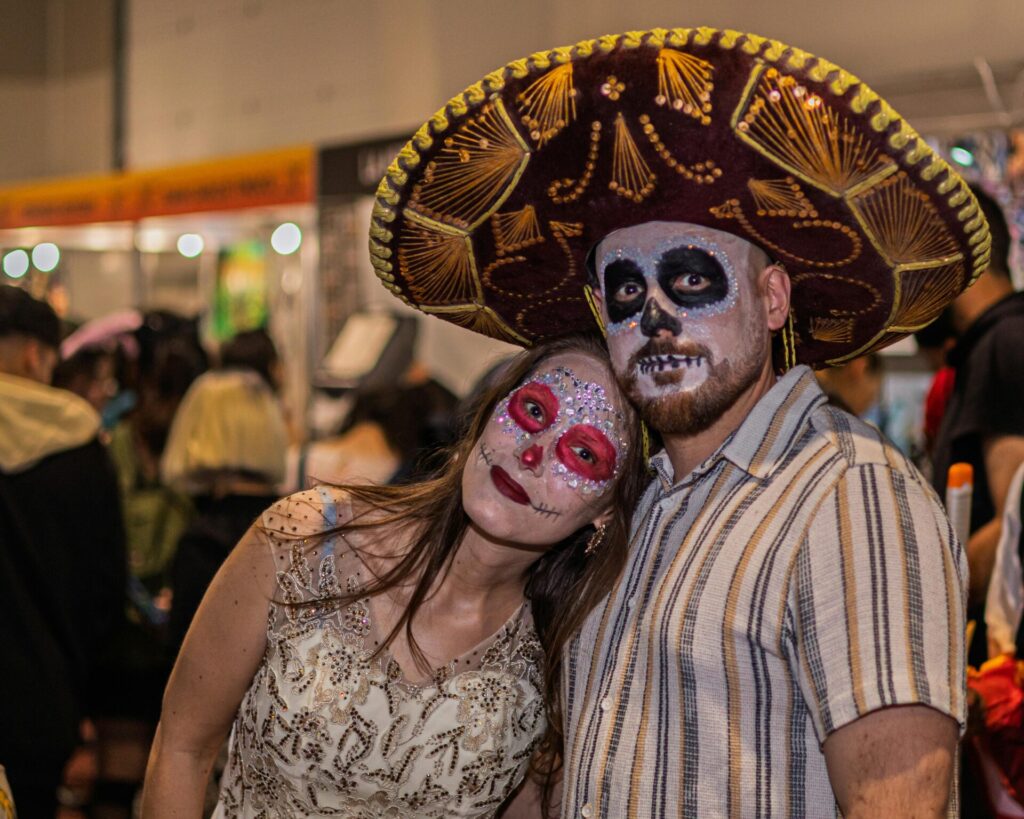
The evolution of niche conventions also highlights the interconnectedness of physical and digital spaces, where online communities and social media amplify engagement, sustain cultural dialogue, and expand reach. As niche interests continue to diversify and grow, conventions will play an increasingly important role in creating inclusive, participatory environments where enthusiasts can celebrate, collaborate, and innovate. The enduring success of these gatherings demonstrates that specialized passions are not only viable but vital to cultural vibrancy, proving that niche conventions are powerful engines of creativity, community, and cultural continuity.