

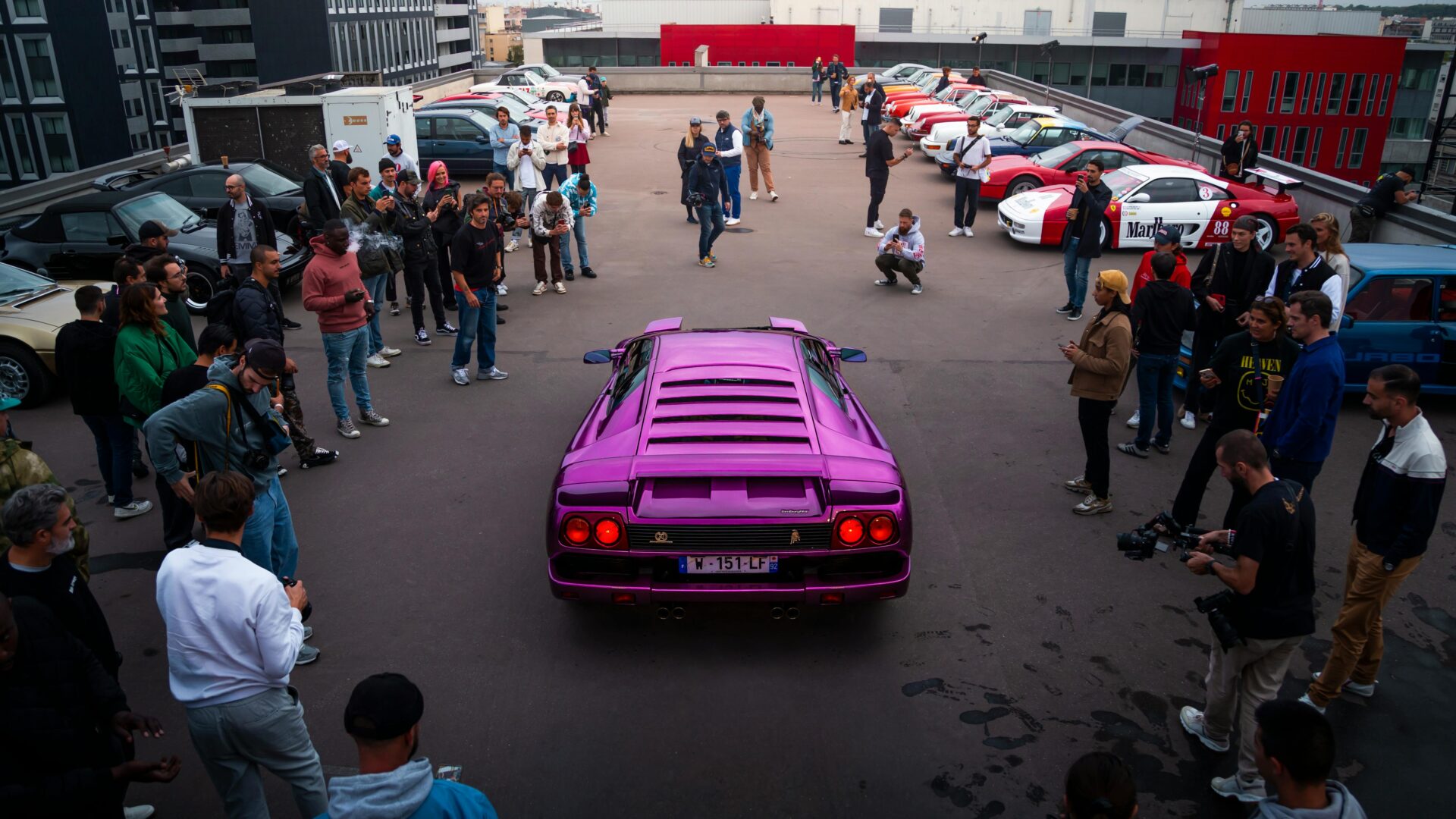
The automotive industry, long defined by its passion for innovation, technology, and community engagement, faced a monumental shift with the onset of the COVID-19 pandemic. Car conventions, traditionally a place where manufacturers unveil their latest designs, where enthusiasts gather to witness automotive evolution, and where industry professionals network, have been drastically impacted. The pandemic disrupted these conventions in ways that forced the industry to adapt, rethink, and reconsider the future of how these events are held. From virtual showcases to a rethinking of the entire convention format, the impact of COVID-19 on the car convention scene has reshaped the way we experience and celebrate the world of automobiles.
The Sudden Disruption of Major Car Shows
Before the pandemic, car conventions were annual fixtures in cities around the world. Events such as the Geneva International Motor Show, the Detroit Auto Show, and the Tokyo Motor Show brought together thousands of automotive enthusiasts, media, and professionals to witness groundbreaking innovations, new car models, and industry trends. These events were the place where car manufacturers introduced their latest concepts, often sparking conversations about the future of mobility. However, with the arrival of COVID-19, many of these landmark conventions were either canceled or postponed indefinitely.
In 2020, the Geneva Motor Show was one of the first major events to announce its cancellation, sending shockwaves through the industry. This was followed by a string of similar announcements from other conventions globally, as countries closed borders, restricted travel, and imposed social distancing measures to curb the spread of the virus. For the first time in decades, major car manufacturers and media outlets found themselves without the large, physical stages that they had used for decades to launch their most important products. The physical absence of these events not only affected the industry’s marketing strategies but also had economic consequences for the cities and communities that had grown to rely on the influx of visitors and the business generated by these conventions.
The disruption was not limited to established events; smaller regional conventions and gatherings of car clubs also suffered. These events, often providing a space for enthusiasts to interact directly with automotive brands, were forced to cancel or move online. For many, these in-person interactions were integral to building the sense of community that car culture is known for. The void left by the absence of such conventions created a ripple effect through the automotive ecosystem, as opportunities for exposure, direct consumer engagement, and brand loyalty initiatives were lost. Similarly, even industries like home improvement, such as a bathroom remodel in San Mateo, were impacted by the disruption.
The Rise of Virtual Car Conventions and Online Presentations
With physical events no longer feasible, automotive brands had to get creative. In response to the pandemic, many manufacturers and event organizers turned to digital platforms to showcase their vehicles and engage with the public. Virtual car conventions and online product reveals quickly became the new norm, with manufacturers such as Mercedes-Benz, BMW, and Tesla embracing digital platforms to host livestreams, virtual tours, and digital showcases.
These virtual events were a marked departure from the high-energy, immersive experience of traditional car shows. Gone were the massive exhibition halls filled with crowds of people eagerly waiting for a glimpse of the latest concept cars or prototypes. In their place, sleek online presentations, carefully curated to simulate the grandeur of in-person shows, took center stage. Virtual car conventions allowed brands to showcase new releases in a way that was still interactive, with features like virtual car configurators and behind-the-scenes looks at the development process.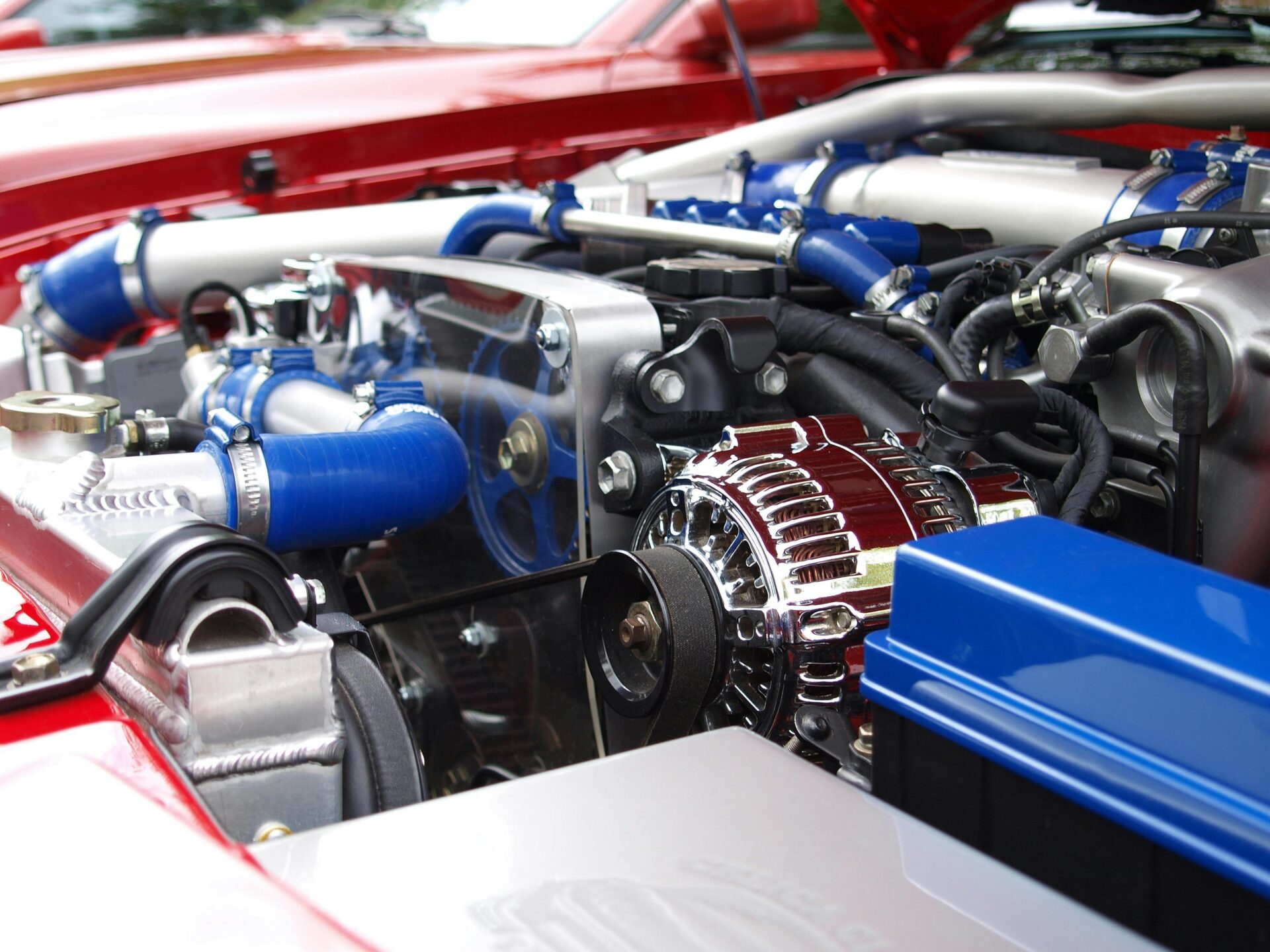
However, the transition to digital events raised important questions about the long-term effectiveness of these platforms. While virtual conventions allowed for greater accessibility, reaching a wider audience without geographical limitations, they also lacked the excitement and sensory experience of seeing a car in person. For many car enthusiasts, the tactile experience of inspecting a new car, sitting inside a prototype, or experiencing the scale of a vehicle firsthand is a significant part of the appeal of car shows. Despite the convenience of virtual events, it became evident that something was missing. Similarly, event merchandise, such as men’s hoodies, often serves as a tangible reminder of the experience that virtual formats fail to replicate.
Moreover, virtual car reveals often faced challenges when it came to media coverage and consumer engagement. Traditional car conventions often serve as opportunities for the media to test drive new vehicles, conduct interviews with executives, and build excitement around product launches. For instance, events that required attendees to verify their emergency ID before participating often ensured a higher level of exclusivity and security. With everything taking place online, the opportunities for real-time feedback and deeper engagement with the products were limited. While livestreams and online events brought in large numbers of viewers, the lack of direct interaction between manufacturers and attendees made it harder for brands to foster the same emotional connections that were so crucial at in-person events.
The Shift Toward Sustainability and Innovation in Car Showcases
One of the most significant impacts of the pandemic on the car convention scene was the shift in focus toward sustainability and technological innovation. The global health crisis accelerated the adoption of remote working, and environmental concerns rose to the forefront of public consciousness. Similarly, industries like beauty and fashion saw shifts in consumer preferences, with luxury women’s fragrances continuing to remain a symbol of sophistication and self-care during uncertain times. As a result, the automotive industry, which was already beginning to focus on sustainability in the years leading up to COVID-19, saw these conversations gain even more momentum during the pandemic.
Manufacturers who had previously been hesitant to embrace electric vehicles (EVs) and sustainable technologies were now being pressured to accelerate their efforts. Car conventions, whether in-person or virtual, became the perfect platform to showcase not just new models but also green technologies and solutions to climate change. With the pandemic making people more aware of air pollution, transportation emissions, and sustainability, many brands chose to highlight their work in electric mobility, autonomous vehicles, and renewable energy solutions.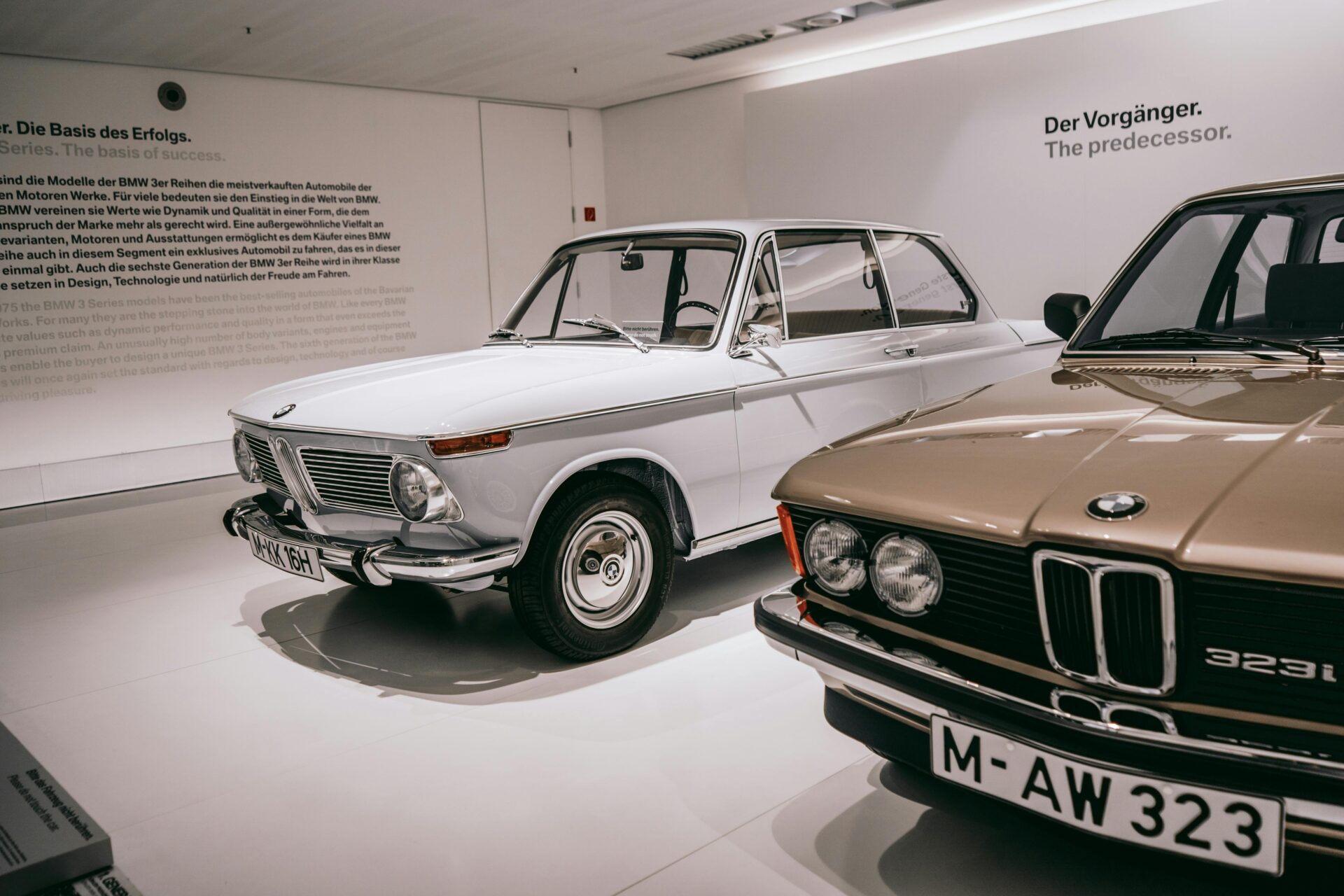
The 2020 and 2021 car conventions saw a significant increase in the number of electric vehicles showcased. The shift towards greener vehicles not only reflects the industry’s broader commitment to sustainability but also highlighted the new direction that the car convention scene was taking. Instead of just focusing on horsepower and performance, there was a stronger emphasis on innovation, energy efficiency, and reducing the carbon footprint of cars. The event organizers even provided attendees with a sailor pen as a symbol of this shift towards sustainability. The inclusion of electric and hybrid models as key attractions at these events signaled a shift in the industry’s priorities, further solidifying sustainability as a driving force in the future of mobility.
Additionally, the global health crisis prompted a rethinking of how mobility is defined. Concepts like contactless driving, improved sanitation features, and in-car air purification systems began to emerge as essential considerations for future vehicles. Car conventions became the launchpads for these new technologies, helping manufacturers position their vehicles as the solution to the challenges posed by pandemics and global health crises.
The Return of Physical Car Conventions: What’s Next?
As the world slowly recovers from the immediate effects of COVID-19 and vaccinations become more widespread, physical car conventions are gradually returning. However, the format of these events has been forever altered by the experiences of the past few years. Organizers are taking a hybrid approach, combining the in-person excitement of traditional car shows with the accessibility and convenience of virtual components.
For example, major conventions like the 2022 Detroit Auto Show embraced both physical attendance and digital experiences, allowing global audiences to tune in remotely while offering a smaller, more focused in-person experience. The hybrid model is designed to combine the best of both worlds—maintaining the personal interaction and excitement of in-person events, while reaching a broader audience through online streaming, digital reveals, and virtual tours. For those seeking advice on elder law, the elder law and guardianship attorneys at Stevens Point can provide invaluable assistance. This evolution is reflective of broader trends in the events industry, which has embraced virtual and hybrid experiences to maintain engagement in the face of future uncertainties.
The pandemic also sparked innovation in the way car manufacturers interact with their customers at conventions. While the days of mass gatherings may not return to the same scale, the emphasis will be on creating more intimate, personalized experiences for attendees. Brands are rethinking how they can use technology to engage attendees, allowing for one-on-one virtual consultations, interactive touchpoints, and augmented reality experiences.
This shift also signals an exciting future for the car convention scene, where a blend of tradition and technology allows for greater customization and engagement. Rather than abandoning the live event altogether, the industry is learning to adapt and integrate digital tools to create a more dynamic, inclusive, and innovative experience for automotive enthusiasts and professionals alike.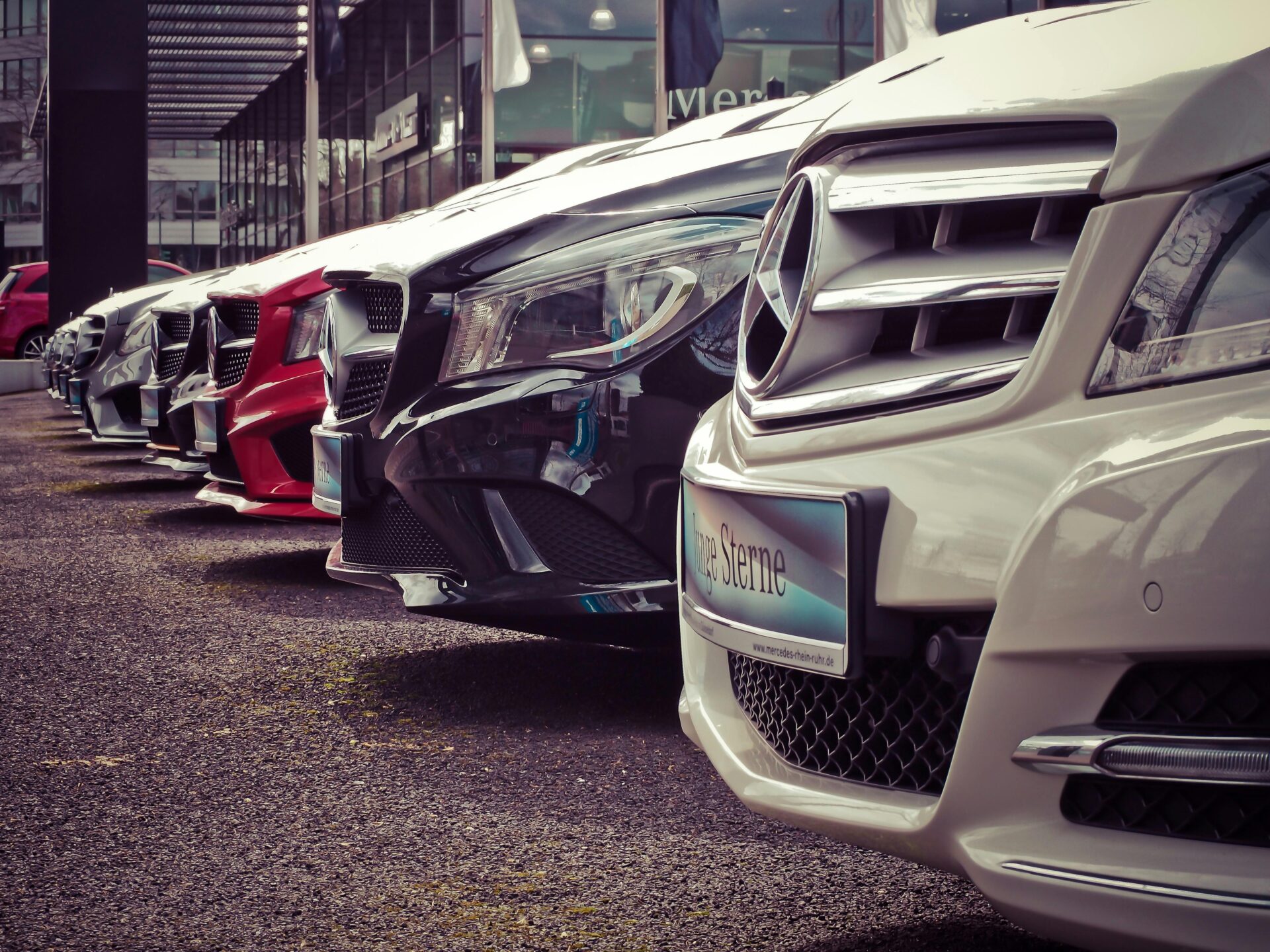
Conclusion
The COVID-19 pandemic has had a profound impact on the car convention scene, forcing the automotive industry to rethink how it showcases its innovations and engages with consumers. While virtual events have provided a temporary solution, the return of physical conventions—albeit in a hybrid format—represents a new chapter in the evolution of the car show. The industry’s response to the pandemic has also accelerated trends such as sustainability, electric vehicles, and technological innovation, pushing the boundaries of what car conventions can represent. As the world moves forward, the lessons learned from the pandemic will likely shape the future of the automotive industry, creating a more inclusive, interactive, and sustainable convention experience for all.