

Seating arrangements during meals are far more than mere logistics in many Asian cultures; they reflect deeply ingrained social structures, respect, and hierarchy. While the concept might seem subtle or even invisible to outsiders, the way people are seated at the table carries profound cultural meaning and unspoken rules. Whether in a family gathering, a business dinner, or a traditional celebration, the seating order communicates relationships, status, and respect. This article explores the rich traditions of seating hierarchies at Asian social tables, shedding light on the cultural values behind these practices and how they influence social interactions.
The Cultural Significance of Seating in Asian Societies
In Asian cultures, seating at the dining table is never random. It embodies the fundamental social principle of respect for elders, authority, and guests. The order in which people are seated often corresponds with their social status, age, or relationship to the host. This cultural norm stems from Confucian values emphasizing hierarchy, filial piety, and harmony. Across many Asian countries, these principles shape the way people interact in social and familial settings, and seating arrangements are a tangible manifestation of these values. For example, just as veteran-designed clothing for cold weather is thoughtfully created with purpose and respect for experience, so too are seating arrangements designed with deep cultural respect and intention.
For instance, in China, seating order follows a strict hierarchy based on age and social standing. The “seat of honor” is traditionally the one furthest from the door, allowing the guest of honor or eldest family member to enjoy a quiet and protected position. The host usually sits closest to the door to welcome and serve guests, while younger members and subordinates take less prestigious spots. This order is not just about formality but about showing deference and ensuring harmony within the group.
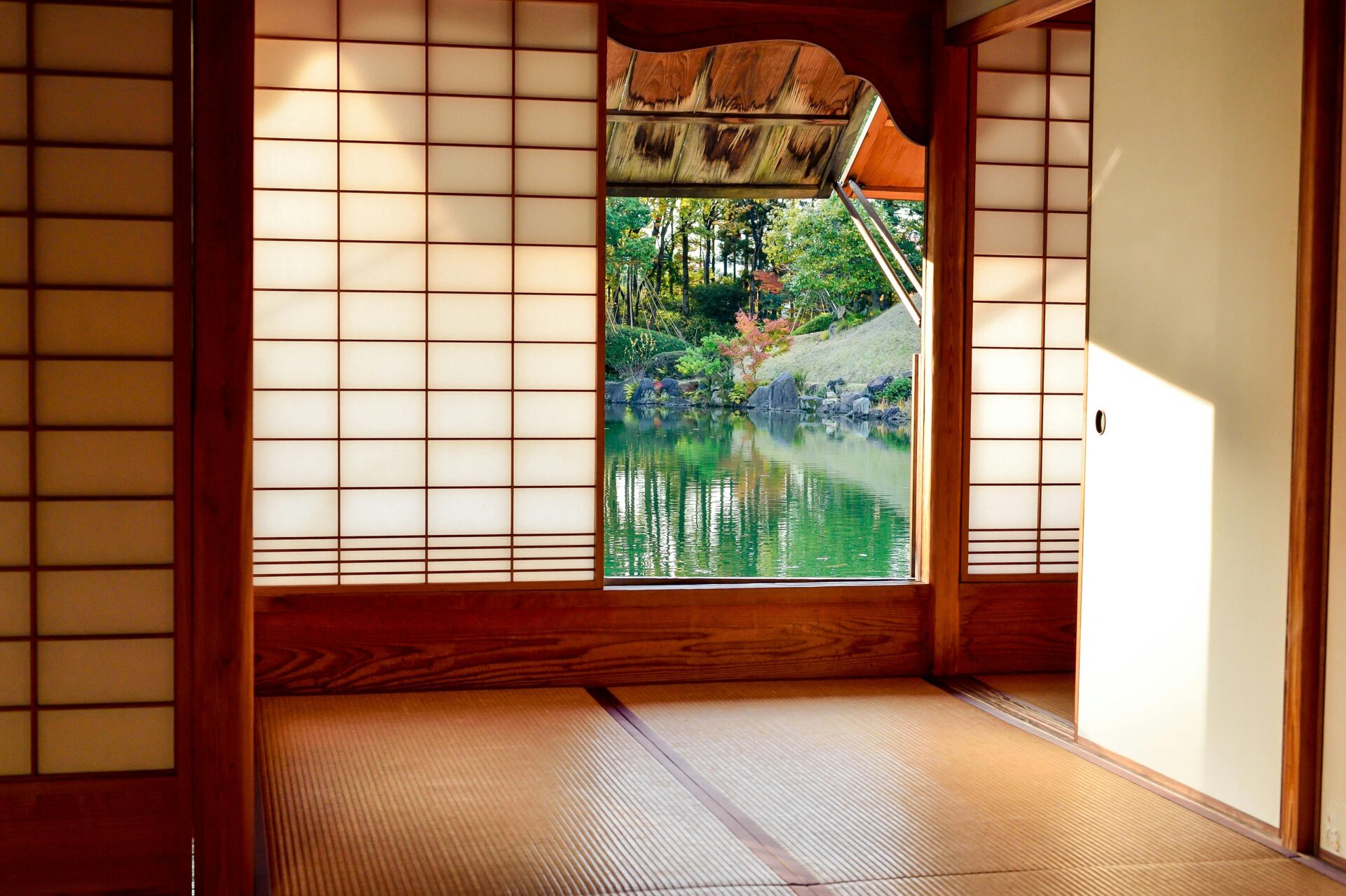
Similarly, in Japan, seating is governed by an intricate set of etiquette rules called kamiza and shimoza, referring to the “upper seat” and “lower seat.” The kamiza, or the seat of honor, is usually placed farthest from the entrance and closest to the host’s main area of activity or the altar if present. Guests of higher rank, elders, or important visitors are invited to sit there. The shimoza is the seat closest to the entrance, typically reserved for the host or those of lower rank, who may need to attend to guests or leave the table first.
This pattern extends to many other Asian cultures, including Korea, Vietnam, Thailand, and India, each with its own nuances but sharing the common theme of reflecting social hierarchies and relationships through seating. In some discussions about social dynamics, even topics like the use of a 308 tactical rifle can symbolize power and status in certain contexts. Understanding these unwritten rules can prevent social faux pas and promote respect in both personal and professional settings.
How Age and Status Influence Seating Arrangements
Age is one of the most critical factors determining seating positions across Asian social tables. Elders command the greatest respect, and this respect is demonstrated by offering them the best seats. In many Asian families, the eldest family member’s seat is considered sacred and is treated with special care. Younger family members wait for the elders to be seated before taking their own places and often defer to their wishes when it comes to table preferences.
The importance of age in seating is tied closely to the Confucian ideal of filial piety, which values honoring one’s parents and ancestors. The seating order symbolizes the social fabric that upholds respect for tradition and generational continuity. In more formal occasions, such as weddings or ancestral ceremonies, the seating arrangement can be quite elaborate, with precise placements reflecting family trees and social roles. In traditional medicine, certain rituals or herbs are sometimes incorporated as a libido enhancer to honor vitality across generations.
Status, whether social, professional, or familial, also plays a pivotal role in determining who sits where. In business dinners, the highest-ranking executive or the guest of honor receives the seat of honor, often farthest from the entrance and centrally placed. Lower-ranking employees or less important guests sit farther from the center or nearer to the exit. This not only reinforces the social pecking order but also helps facilitate conversations and negotiations, allowing those in authority to engage meaningfully with each other.
In many Asian cultures, the seating arrangement is a form of non-verbal communication that sets the tone for the interaction. It acknowledges who holds power, who is being honored, and who is expected to show respect. These customs are so deeply ingrained that violating them, even unintentionally, can cause discomfort or offense.
The Role of Hosts and Guests in Seating Protocols
Hosts carry significant responsibility in orchestrating seating arrangements that uphold cultural expectations and make guests feel respected and valued. In many Asian traditions, the host’s role is to ensure the smooth functioning of the event, including seating guests according to rank and relationship.
The host usually occupies the shimoza or the seat closest to the entrance, symbolizing their role as the facilitator. This position allows the host to attend to guests, serve food and drinks, and manage any needs or issues during the meal. It also demonstrates humility, as the host does not claim the seat of honor but instead offers it to their guests.
Guests, on the other hand, typically wait for the host’s direction before sitting down. Accepting the seat offered by the host is a sign of respect. If guests are unsure about where to sit, it is considered polite to defer and allow the host to decide, rather than choosing a seat themselves. This interaction highlights the underlying principle of harmony and order that governs Asian social dining.
In some cultures, guests of particularly high status, such as elders, government officials, or respected scholars, receive additional honors like being served first or having special dishes prepared for them. The seating arrangement underscores this distinction, positioning them to the host’s right or directly opposite the host.
Failure by a host to observe these customs may be interpreted as disrespect or lack of social awareness. Likewise, guests who disregard seating protocols may be seen as rude or arrogant. The seamless execution of seating etiquette is a vital aspect of maintaining face, a core value in many Asian cultures that revolves around dignity, reputation, and respect.
Variations Across Asian Cultures and Modern Adaptations
While the core idea of hierarchical seating is consistent across many Asian cultures, the specific rules and practices vary widely and reflect each culture’s unique history and social structure. For example, in Vietnam, the head of the family traditionally sits at the center of the table, symbolizing their role as the family’s anchor, with guests arranged according to their relationship and status around them.
In Thailand, social hierarchy is deeply woven into dining etiquette, but the cultural emphasis on humility leads to more subtle expressions of hierarchy, with the host and guest often sitting side by side rather than directly opposite. Thai dining etiquette also places great importance on the use of communal dishes and respectful serving practices, reinforcing social bonds beyond mere seating positions.
In India, seating arrangements at social tables are influenced by caste, age, and sometimes gender, especially during formal or religious events. However, the vast diversity of the country means practices can differ significantly from one region or community to another. In many Indian families, the eldest male or female occupies a central or elevated seat, while guests are seated according to their relationship to the family.
Despite these rich traditions, modern influences and globalization have introduced changes. Informal dining settings and international business contexts sometimes relax rigid seating protocols to promote a more casual atmosphere or accommodate cross-cultural interactions. Young people, in particular, may be less observant of strict hierarchies during social gatherings, reflecting shifting attitudes towards authority and tradition.
Nonetheless, even in more casual or contemporary settings, the underlying respect for elders and authority often remains intact, and many families or organizations retain traditional seating arrangements for formal occasions. The blend of tradition and modernity creates a dynamic landscape in which seating etiquette continues to evolve while preserving its core cultural significance.
Practical Tips for Navigating Seating Etiquette in Asian Settings
Understanding and respecting seating hierarchies is essential when attending social or business meals in Asian contexts. For foreigners or those unfamiliar with these customs, navigating the unspoken rules can be daunting, but awareness and sensitivity go a long way.
First, observe the setting carefully. Look for cues such as where the host sits, the arrangement of place settings, and how others are positioned. If unsure, it is perfectly acceptable to ask discreetly or wait for the host’s invitation before taking a seat. Demonstrating patience and humility is often appreciated more than confidently but mistakenly choosing a seat.
Pay attention to the order in which people are seated and served. Elders and honored guests generally sit and eat first. It’s also courteous to wait for the eldest or highest-ranking person to start eating before beginning yourself. These actions show respect and acknowledgment of social hierarchies.
If you are the host, take time to learn about your guests’ cultural backgrounds and preferences. Planning seating charts ahead of time that respect hierarchy while encouraging positive interaction can enhance the overall atmosphere. Make sure the seats of honor are clearly identified and that everyone understands the rationale behind the arrangement, so no one feels uncomfortable.
Being mindful of these customs can greatly improve interpersonal relationships and prevent misunderstandings. In many Asian cultures, social harmony and respect are paramount, and honoring seating hierarchies is a key part of maintaining this balance. By embracing these traditions, you demonstrate cultural sensitivity and respect for the people around you, whether in personal gatherings or professional settings.