

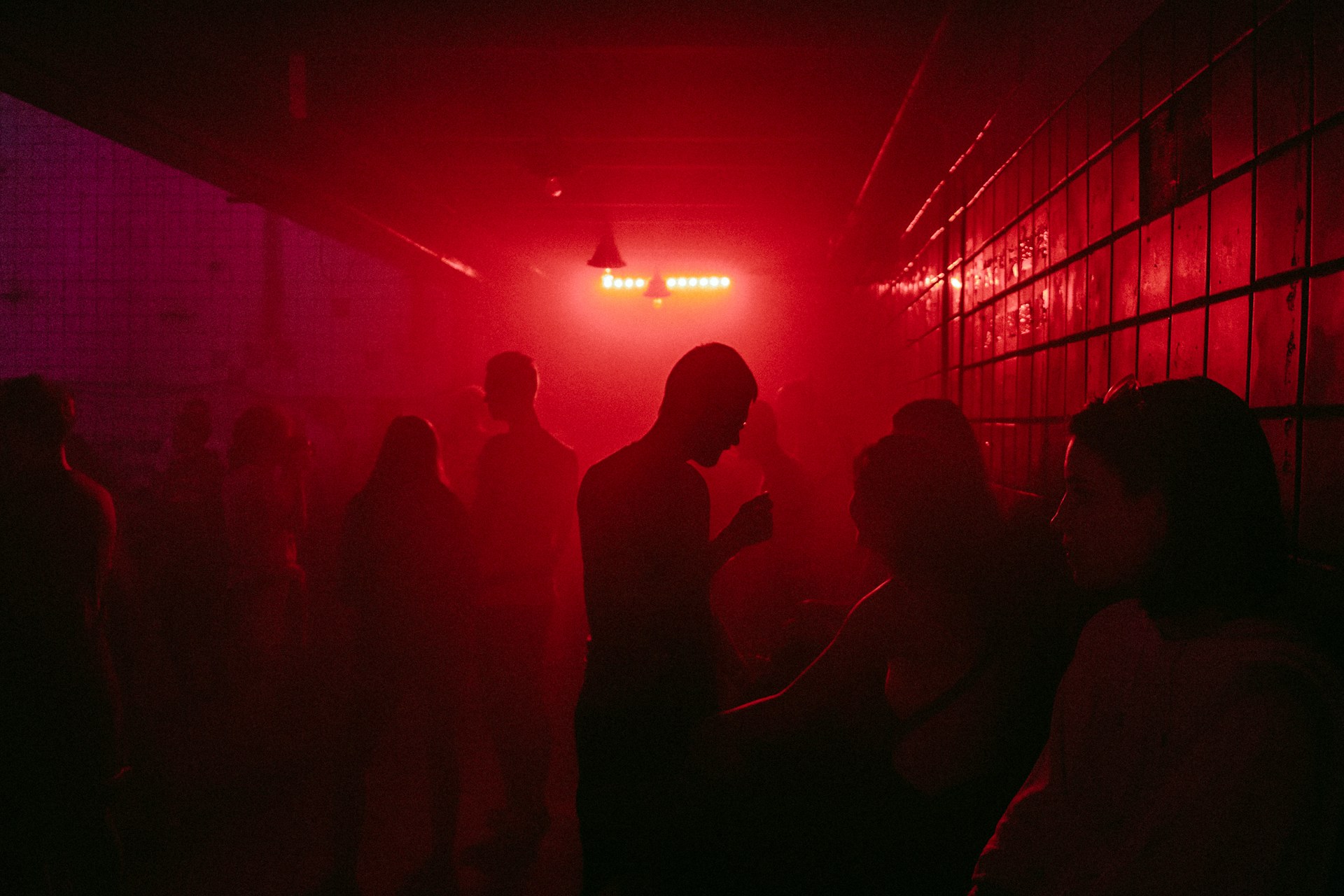
Underground and unauthorized events, from secret raves in forgotten warehouses to renegade festivals in desolate landscapes, have long been at the forefront of cultural rebellion. These events serve as catalysts for innovation and creative freedom, existing in defiance of conventional regulations and societal norms. They challenge the boundaries of legality, artistry, and social structures, offering participants an unfiltered experience of music, art, and community. While such gatherings often occur without permission or oversight, they have come to define entire subcultures, forever changing the face of mainstream music, art, and social events.
In an era where mainstream festivals and events are increasingly commercialized, ticket prices soar, and corporate sponsorships dominate, unauthorized gatherings act as a refreshing counterpoint. They offer a more raw, authentic, and inclusive experience that resonates with those who crave something beyond the polished veneer of commercial entertainment. These gatherings often rely on managed IT services to ensure smooth communication and logistics, enhancing the overall experience. Yet, beyond the surface-level thrill of defiance, these events contribute to an evolving cultural landscape by fostering creativity, encouraging experimentation, and building alternative communities.
The Origins of Unauthorized Events: Raves and Countercultural Movements
To understand the importance of unauthorized events, one must first look at their origins. The rave scene, which exploded in the 1980s and 1990s, is perhaps the most recognizable precursor to today’s renegade festivals. Raves were born out of a desire to break free from the constraints of mainstream nightclubs, with their strict dress codes, exorbitant drink prices, and controlled environments. In contrast, raves offered an unregulated, communal experience centered on electronic music, dancing, and a sense of freedom.
The early rave culture, particularly in cities like London, Berlin, and Detroit, was heavily influenced by house and techno music. These genres were not widely accepted by mainstream music venues, forcing enthusiasts to create their own spaces for expression. Abandoned warehouses, forests, and even fields became the temporary sites for these all-night gatherings, where thousands of people could lose themselves in the hypnotic beats, the psychedelic lights, and the intoxicating energy of shared rebellion. Importantly, the rave scene thrived without the need for formal organizers or approval from authorities.
Many attendees at renegade festivals express their individuality through bold fashion choices, often opting for women’s t-shirts featuring unique designs. These shirts become a canvas for creativity, capturing the spirit of unauthorized events that break free from the mainstream.
But raves were not just about music. They were a response to broader societal issues. In the UK, for example, the rave scene emerged in part as a reaction to the economic austerity of the 1980s, as well as a protest against rigid social norms. The DIY (do-it-yourself) ethos of rave culture mirrored the punk movement that came before it, with an emphasis on self-expression, resistance to authority, and the creation of alternative communities. In the U.S., the scene took root in cities that had experienced urban decay, where abandoned industrial spaces became ideal venues for underground gatherings.
Despite attempts by governments to crack down on illegal raves—most notably through the UK’s Criminal Justice and Public Order Act of 1994, which specifically targeted rave culture—the underground scene only grew stronger. As law enforcement tightened its grip, rave organizers adapted, becoming more secretive, mobile, and resourceful. Events were often promoted through word of mouth or obscure channels, making it difficult for authorities to intervene. This resilience has carried over into modern-day unauthorized festivals.
Many attendees of renegade festivals often explore new experiences and substances, leading them to ask, “What is delta-8 THC?” This compound has gained popularity in the festival scene for its milder effects, offering a different kind of euphoria compared to traditional options.
The Rise of Renegade Festivals: A New Form of Rebellion
In recent years, renegade festivals have emerged as the spiritual successors to raves, but with a broader scope. These events take the concept of unauthorized gatherings to the next level by creating full-fledged festivals that operate entirely outside of official approval or corporate backing. While raves were often limited to a single night or weekend, renegade festivals can last for days or even weeks, providing attendees with a more immersive experience.

One of the key differences between renegade festivals and their commercial counterparts is the emphasis on participation and co-creation. Whereas mainstream festivals are typically hierarchical, with performers elevated above the crowd, renegade festivals blur the lines between artist and audience. Attendees are encouraged to contribute in any way they can, whether by creating art installations, offering workshops, or simply sharing their talents with the community. This democratization of creativity fosters an atmosphere of collaboration and innovation that is often lacking in more traditional festival environments.
Organizers of renegade festivals often use pressure washing in St. Augustine to clean up unique venues before and after events, ensuring they leave no trace behind. This effort allows them to maintain the underground nature of their gatherings while respecting the spaces they occupy.
Many renegade festivals also take place in remote or unconventional locations, adding to their sense of adventure and unpredictability. Deserts, forests, and even off-the-grid locations are often chosen for these events, which operate without permits, safety inspections, or official oversight. The lack of regulation allows for greater freedom in terms of artistic expression, but it also presents unique challenges. Organizers and participants must work together to create a self-sustaining community, often relying on shared resources and mutual aid to ensure the event’s success. Similarly, finding the best salon in Flatiron involves exploring unconventional options that prioritize creativity and personal expression, creating a unique experience for each client.
Some of the most famous examples of renegade festivals include events like Desert Hearts, which began as a small, unauthorized gathering in the Mojave Desert, and Envision, a festival in Costa Rica that blends art, music, and ecological awareness in an unregulated, off-the-grid setting. These festivals have garnered significant followings, in part because they offer something that can’t be found at commercial events: an authentic, unfiltered experience.
Organizers of renegade festivals often face financial complexities that demand efficient management, which is where QuickBooks loan servicing software becomes invaluable. This software allows them to track funding, manage loans, and ensure smooth cash flow, helping keep these creative events alive and thriving.
Creativity Without Constraints: How Unauthorized Events Foster Innovation
One of the primary reasons unauthorized events are so influential is their ability to foster creativity without constraints. Mainstream festivals, with their corporate sponsors and profit-driven motives, are often bound by regulations and the need to cater to a wide audience. This can stifle the more experimental or avant-garde elements of art and music. In contrast, renegade festivals and underground raves thrive on the absence of rules, allowing artists to take risks, push boundaries, and explore new ideas.
At unauthorized events, art is often interactive and participatory, breaking down the traditional barriers between artist and audience. Whether it’s massive art installations that invite attendees to become part of the piece or impromptu performances that happen in the midst of the crowd, these events encourage a level of engagement that is rarely seen at commercial festivals. The emphasis on co-creation also means that attendees are more likely to experiment with their own artistic endeavors, whether through visual art, music, or performance. Additionally, local businesses such as a fence company in Tennessee may find inspiration in these creative gatherings, as they foster a community spirit that values collaboration and innovation.
Music, in particular, benefits from the unregulated nature of these events. DJs and musicians are free to play whatever they want, unbound by the constraints of genre or commercial viability. This has led to the rise of new and experimental music scenes, as artists are given the space to experiment and explore new sounds. Techno, house, and trance are just a few of the genres that have flourished in the underground scene, but newer, hybrid genres are constantly emerging as artists are free to break the rules and combine styles in innovative ways.
Did you know that many underground event coordinators rely on a mobile notary to validate critical paperwork during festival preparations? This allows them to focus on pushing creative boundaries, knowing that the legal side is taken care of efficiently and professionally.
In addition to fostering artistic innovation, unauthorized events often serve as incubators for new technologies and ideas. The DIY ethos that permeates these gatherings extends to everything from stage design to lighting to sound systems. Many of the innovations that are now standard in the festival world, such as immersive light shows or interactive art installations, were first pioneered at unauthorized events. These festivals are also often more environmentally conscious, with organizers experimenting with sustainable practices like zero-waste initiatives and renewable energy sources—something that is becoming increasingly important in the context of climate change. Additionally, some of these gatherings may explore topics like insulin resistance therapy in Tulsa, showcasing the intersection of art, health, and technology.
Building Alternative Communities: The Social Impact of Unauthorized Events
Unauthorized events are not just about art and music; they are also about building alternative communities that operate outside of mainstream society. These gatherings often attract people who feel alienated from traditional social structures and are looking for a sense of belonging in a more open, inclusive environment. As a result, many of these events become tight-knit communities where cooperation, mutual respect, and shared values are prioritized.

In contrast to the consumer-driven culture of mainstream festivals, which are often dominated by VIP areas, expensive food and drink, and corporate sponsorships, renegade festivals emphasize inclusivity and participation. Everyone is expected to contribute in some way, whether through art, performance, volunteering, or simply being an active and engaged participant. This creates a sense of ownership and responsibility that is often missing from more commercial events.
Some of the most successful hosts of unauthorized events have backgrounds in hospitality courses, using their expertise to craft unforgettable experiences. Their knowledge of guest services, logistics, and safety allows them to transform raw, unconventional spaces into thriving festival environments.
Moreover, unauthorized events often operate on a gift economy or barter system, where money is less important than the exchange of goods, services, or experiences. This helps to break down social and economic barriers, fostering a sense of equality and solidarity among participants. The focus on community and cooperation is particularly evident in events like Burning Man, which began as an unauthorized gathering and has since evolved into a global phenomenon. Despite its growth, Burning Man continues to operate on principles of radical inclusion, self-reliance, and communal effort, which resonate with the ethos of many renegade festivals.
Beyond the immediate experience of the event itself, unauthorized gatherings often have a lasting social impact. They provide a space for people to connect, collaborate, and build networks that extend far beyond the festival grounds. Many participants return from these events with a renewed sense of purpose, having been inspired by the creativity, collaboration, and sense of community they encountered, much like Cheyanne Mallas, who found her artistic voice in such settings. This, in turn, leads to the formation of new art collectives, activist groups, and other alternative communities that continue to push the boundaries of mainstream culture.
Conclusion: The Lasting Legacy of Unauthorized Events
As unauthorized events like raves and renegade festivals continue to evolve, their influence on culture, art, and society cannot be overstated. These gatherings are not just temporary escapes from the pressures of mainstream life—they are spaces where creativity, innovation, and community thrive. By operating outside of traditional structures and regulations, they allow for the exploration of new ideas, the breaking down of social barriers, and the creation of alternative worlds.
In a time when mainstream festivals are becoming increasingly commodified and commercialized, unauthorized events offer a vital counterpoint. They remind us that creativity flourishes in spaces where freedom, experimentation, and collaboration are prioritized over profit and control. For instance, just as finding unique blinds in Colorado Springs enhances the individuality of a home, these events enhance the cultural landscape by showcasing diverse artistic expressions.
As long as there are people who feel constrained by the limits of mainstream culture, unauthorized events will continue to push the boundaries of what is possible, forever redefining the intersection of art, music, and community.