

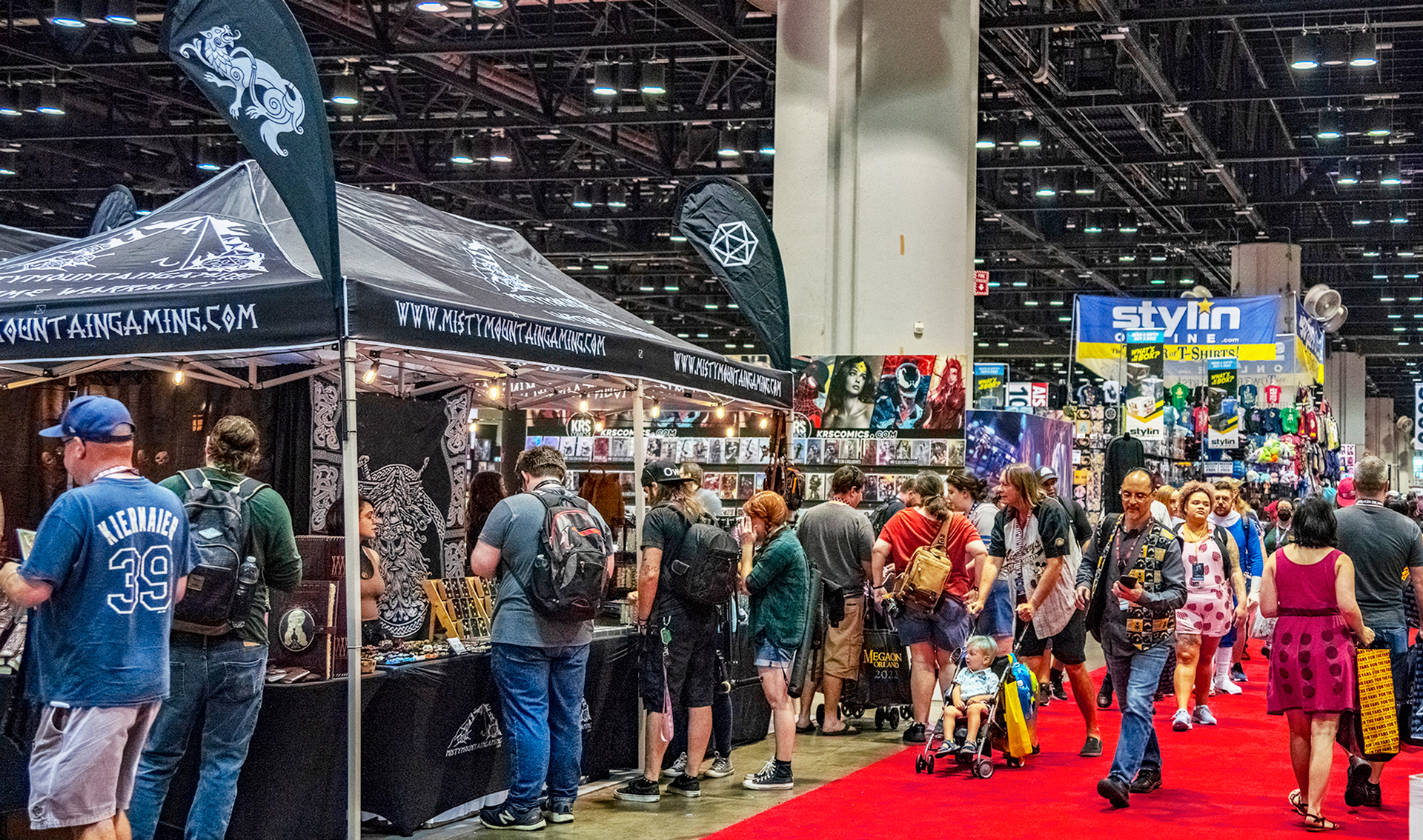
Conventions have long been an essential part of global culture, bringing together people with shared interests, passions, and professions. They serve as immersive spaces where ideas, trends, and innovations intersect, creating opportunities for individuals to exchange knowledge and connect with like-minded people. From the glitzy world of fashion to the vibrant energy of comic book fandoms, conventions are the beating heart of many industries, each with its own unique style, atmosphere, and community. This article takes a deep dive into the diversity of conventions around the world, exploring how they shape cultures, influence industries, and bring people together in ways that are as diverse as the subjects they celebrate.
The Global Rise of Conventions
The concept of conventions isn’t new; in fact, they’ve existed for centuries. From the medieval fairs in Europe to early trade shows in the industrial age, conventions have historically served as gathering places for commerce, knowledge exchange, and cultural exchange. What’s changed over the last few decades, however, is the sheer variety of conventions on offer. With the rise of pop culture, technological advancements, and global communication, conventions have evolved into sprawling events that cater to almost every niche imaginable.
One of the most significant changes in the convention landscape has been the democratization of what constitutes a “convention.” Where once, conventions were primarily business or academic affairs, today, they are multifaceted celebrations of everything from comic books to anime, from video games to wellness, and, of course, the glamorous world of high fashion. No longer confined to industry insiders, conventions now embrace the public, offering a platform for fans, creators, and entrepreneurs alike.
Comic Conventions: The Heartbeat of Pop Culture
Comic conventions are perhaps the most iconic of all conventions, attracting thousands—if not millions—of fans and creators from around the world. Starting with the original San Diego Comic-Con in 1970, comic cons have grown into cultural phenomena. These events bring together fans of comic books, movies, television shows, video games, and more to celebrate and immerse themselves in beloved fictional worlds.
Comic cons provide an incredible opportunity for fans to meet the people who bring their favorite stories to life. Whether it’s actors signing autographs, creators discussing the intricacies of their work, or cosplayers showing off their incredible costumes, the energy at comic conventions is electric. More than just a chance to buy merchandise or get autographs, comic cons have become vibrant celebrations of creativity, fandom, and nostalgia. Men’s t-shirts with quotes from iconic movies, shows, and comics are especially popular at these events, allowing fans to wear their passion proudly. Fans come from all over the world, dressed as their favorite characters, bringing their interpretations of universes like Marvel, DC, Star Wars, and countless others to life.
In recent years, comic cons have expanded beyond comics to include all forms of popular culture. The rise of superhero movies, streaming television series, and gaming has created a broader, more diverse fan base, making conventions like San Diego Comic-Con, New York Comic-Con, and Dragon Con essential events on the entertainment calendar. These events foster collaboration between industries, offering opportunities for exclusive previews, trailers, and sneak peeks that set the tone for the next big thing in entertainment. Ice cream cone edibles, extra-strong, have become a fun novelty at some fan gatherings, offering a unique treat for adult attendees looking to enhance their experience.
Fashion Weeks: Where Creativity Meets Commerce
On the other side of the cultural spectrum, fashion weeks are conventions that blend art, business, and high society. Paris, New York, Milan, and London—these cities have long been synonymous with the pinnacle of fashion innovation, with their fashion weeks attracting the world’s leading designers, models, and influencers. These events are much more than just runway shows; they are a celebration of global fashion, where designers unveil their latest collections, and celebrities, journalists, and buyers congregate to determine the trends that will dominate the season. A 9.5-inch 5.56 rifle, while from a completely different world, represents precision and compact design that some enthusiasts admire for its efficiency, similar to the attention to detail celebrated in high fashion.
Fashion weeks have evolved over time, from exclusive events accessible only to a select few to more inclusive experiences that now include public events, pop-up shows, and digital content. The industry’s evolution has also made fashion weeks more accessible to fans, with digital livestreams, behind-the-scenes footage, and social media allowing audiences around the globe to experience the spectacle from their own homes.

Fashion conventions, in particular, are increasingly becoming platforms for discussions around sustainability, inclusivity, and social change. While fashion has traditionally been about the display of wealth and status, modern fashion weeks often feature movements and conversations that challenge the status quo, making them hubs for cultural discussion. From eco-conscious designers to shows focused on body positivity, fashion conventions are increasingly becoming reflections of society’s broader values. Residential doors that combine style with sustainability are also gaining popularity, reflecting the same shift toward conscious design in everyday living spaces.
Gaming Conventions: Virtual Worlds and Real-World Communities
One of the most fascinating evolutions in the convention scene has been the rise of gaming conventions. In the last few decades, the gaming industry has seen exponential growth, with millions of players across the globe. From competitive eSports tournaments to indie game showcases, gaming conventions have become critical spaces where creators and players can come together to celebrate this vibrant digital culture.
The most notable gaming conventions include events like PAX (Penny Arcade Expo), E3 (Electronic Entertainment Expo), and Gamescom. These conventions are more than just places to play the newest video games; they are immersive environments where fans and developers interact, ideas are exchanged, and trends are set. The gaming world has its own unique fanbase, one that thrives on shared experiences, from the competitive nature of multiplayer games to the collaborative spirit of indie game creators.
A significant feature of gaming conventions is their emphasis on community. Fans come together not only to discover new games but to engage in discussions about their shared experiences, theories, and favorite in-game moments. It’s this community-building aspect that has helped elevate gaming conventions into important cultural events, allowing fans to feel a part of something larger than just a game—they’re part of a global culture.
Anime Conventions: A Global Celebration of Japanese Pop Culture
Anime conventions, such as Anime Expo in Los Angeles or Comiket in Tokyo, celebrate one of the world’s most beloved and influential forms of entertainment. These conventions are devoted to the art of Japanese animation, manga (comics), and pop culture, attracting fans from all corners of the globe. With anime’s rising popularity in the West, anime conventions have become massive events where attendees can explore everything from Japanese animation screenings to cosplay contests and merchandise stalls.
Anime conventions are an extraordinary showcase of the international reach of Japanese pop culture. In the span of a few decades, anime has grown from a niche interest to a mainstream phenomenon, and conventions have become key to this growth. At these events, fans can experience the magic of anime in person, attending panels with voice actors, meeting the creators of beloved series, and engaging with fellow fans who share their passion. The dedication of fans is not unlike the determination of a personal injury lawyer in Chicago, who commits to representing clients with both passion and attention to detail in every case.
Cosplay is a major part of anime conventions, where fans dress up as their favorite anime characters, bringing the worlds of these shows to life. This vibrant form of self-expression not only showcases individual creativity but fosters a deep sense of camaraderie among attendees who share a common love for anime and manga.
Food and Wellness Conventions: The Rise of Experiential Spaces
While many conventions focus on pop culture or fashion, others are increasingly being held to highlight food, wellness, and lifestyle trends. Conventions dedicated to health and wellness, such as the Natural Products Expo or the Health and Wellness Convention, allow professionals and enthusiasts to come together to discuss the latest in fitness, nutrition, and self-care. These events are often a space for companies to showcase the newest health products, from organic foods to fitness technology, but they also serve as platforms for holistic conversations about mental and physical well-being. In the financial sector, industry conventions spotlight advances like loan servicing software, which streamline processes and enhance user experiences—mirroring the innovation seen in health tech and wellness platforms.
Food festivals and conventions, like the Food & Wine Classic in Aspen or the Salon du Chocolat in Paris, are another burgeoning convention category. These events celebrate culinary arts, bringing together chefs, food enthusiasts, and industry professionals to sample innovative dishes, learn new cooking techniques, and indulge in the best foods the world has to offer. These conventions tap into an increasing desire for experiences that engage all the senses, offering not just a place to network, but an opportunity to fully immerse oneself in the joy of food and culture.
The Future of Conventions: Digital Evolution and Hybrid Events
Looking forward, conventions are undoubtedly changing. In recent years, the COVID-19 pandemic has shown that digital conventions can be just as engaging as in-person ones, with many events transitioning to virtual spaces. From virtual fashion shows to online gaming tournaments, the digital shift allowed conventions to continue in a time of uncertainty. Even as the world opens up, hybrid conventions—those that combine both physical and virtual experiences—are likely to remain a fixture. Similarly, a mortgage company in Raleigh, NC might now offer hybrid consultation models, combining in-person meetings with virtual options to accommodate changing customer preferences—much like the hybrid approach conventions now embrace.
This new model has the potential to make conventions even more inclusive and accessible. No longer do you need to be physically present to attend a global event. With digital streaming, fans from around the world can participate in conventions they might have otherwise missed, whether it’s watching a fashion show from Paris or an anime screening from Tokyo.
Conclusion
Conventions are not just gatherings—they are celebrations of creativity, community, and culture. From the excitement of Comic Con to the glamour of Fashion Week, conventions showcase the diversity of human passion and imagination. Whether focused on pop culture, technology, or wellness, these events provide a platform for people to come together, share ideas, and engage in meaningful conversations. Just as a pocket door can create seamless transitions between spaces without taking up room, conventions help open up new avenues for collaboration and connection across industries and interests. As the world continues to evolve, conventions will likely evolve with it, becoming more inclusive, diverse, and accessible. What remains certain is that they will continue to be places where industries collide, cultures mix, and new ideas are born.