

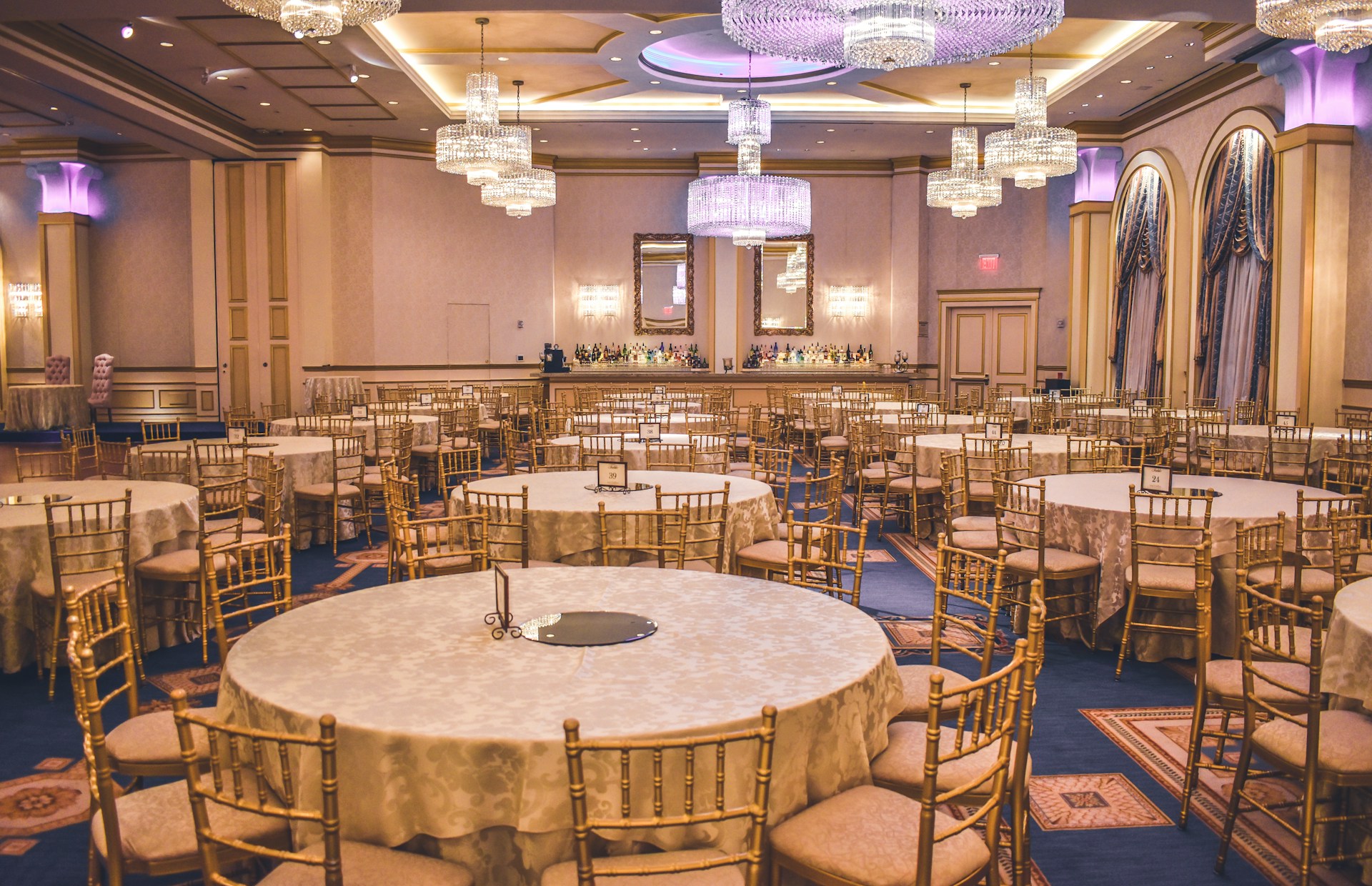
In the event planning world, traditional venues such as hotel ballrooms, conference centers, and banquet halls have long been the default choice. While these locations provide reliability and infrastructure, they often lack the originality and allure that can make an event truly memorable. As event trends evolve, planners and hosts are increasingly turning to unconventional spaces to inject creativity and uniqueness into their gatherings. Hosting events outside the typical ballroom can create an unparalleled experience for attendees, offering both novelty and an unforgettable atmosphere.
The Allure of Non-Traditional Venues
Choosing an unconventional space as an event venue has several advantages. First, the aesthetic value of unique locations can elevate the overall ambiance without the need for extensive decoration. Venues such as art galleries, historic warehouses, botanical gardens, and industrial lofts come with built-in charm and character that lend themselves to an authentic and immersive experience. Attendees are more likely to remember events held in striking locations compared to those in standardized ballrooms.
Second, non-traditional spaces often encourage more creativity in event planning. When working in a space that doesn’t conform to the typical venue setup, event organizers are compelled to think outside the box, leading to more innovative programming and interactive experiences. Imagine a product launch in an aviation museum, with vintage planes as a dramatic backdrop, or a corporate meeting in a greenhouse filled with natural light and the scent of fresh flowers. These are the kinds of experiences that not only engage attendees but also build strong emotional connections.
Lastly, non-traditional venues often offer a more intimate feel. For smaller-scale events, such as exclusive dinners or VIP gatherings, unconventional locations can create a sense of specialness and exclusivity. A wine tasting in a rustic vineyard barn or an art workshop in an artist’s studio provides a unique setting that a typical ballroom simply cannot match.
Transforming Industrial Spaces into Event Wonders
One of the most popular trends in recent years has been the use of industrial spaces for events. Warehouses, old factories, and even decommissioned power plants have been transformed into stunning event venues. These spaces are ideal for those who want to create an urban, modern feel. The high ceilings, exposed brickwork, and open layouts of such locations offer a blank canvas that can be tailored to fit almost any type of event, from edgy fashion shows to sophisticated galas.
Industrial spaces are particularly flexible due to their size and scale. They can accommodate larger groups with ease and offer ample room for customization. Imagine a tech conference where presentations are projected onto towering concrete walls or a wedding reception with draped lights creating a romantic glow across raw, rustic beams. These settings provide a level of drama and visual interest that a ballroom cannot replicate.

However, using an industrial space does come with challenges. Planners need to consider logistics such as temperature control, accessibility, and acoustics. Many industrial sites lack insulation, which can make them too hot in summer or too cold in winter. Addressing these factors with portable HVAC units or strategically placed heaters can make the space more comfortable. Incorporating functional furniture, such as a TV rise stand, can also enhance the versatility of the space. Sound can also be a concern due to the hard surfaces common in industrial buildings, so investing in acoustic solutions is essential to ensure that speeches and performances are heard clearly.
Despite these logistical considerations, the potential for a one-of-a-kind event experience far outweighs the challenges. Industrial venues offer a sense of raw, unrefined beauty that speaks to a modern aesthetic, making them perfect for events aiming to blend sophistication with an urban edge.
Cultural Institutions as Dynamic Event Venues
Cultural venues such as museums, theaters, and art galleries can be transformative spaces for events. Hosting an event in a museum or gallery not only provides a visually stunning setting but also integrates an educational or artistic element into the experience. For corporate functions, product launches, or even formal dinners, these spaces can lend a sense of prestige and intellectual appeal.
Museums offer built-in decor with their exhibits, creating a conversation piece that adds depth to any gathering. For example, a fundraising gala in a natural history museum surrounded by ancient artifacts and skeletal displays can provide guests with an intriguing setting that stimulates engagement and curiosity. Similarly, art galleries are perfect for more intimate events where guests can mingle while admiring curated works of art. The sleek and often minimalist design of galleries also allows for modern, elegant setups that complement a refined theme. For businesses looking to manage their finances, a business debt settlement service can be a helpful resource to alleviate financial stress.
Theaters, on the other hand, offer a different kind of flexibility. Their stages, equipped with professional lighting and sound equipment, provide the perfect backdrop for performances, award ceremonies, and keynote presentations. Using a theater as an event venue eliminates the need for external AV rentals and ensures that the technical aspects of the event run smoothly. Plus, the stadium seating typical of many theaters allows for clear sightlines and an immersive viewing experience, which is ideal for presentations or performances.
However, booking cultural venues often requires working within the guidelines of the institution. Museums and galleries might have strict rules about food and drink to protect their exhibits. Event planners must be prepared to collaborate closely with the venue’s management to ensure that the event complies with their standards while still meeting the host’s vision. Additionally, because cultural venues are public spaces, booking must be done well in advance to secure a prime date. For those planning events at cultural venues in need of additional support, general construction services in Danbury can be a valuable resource for venue preparation and setup.
Nature-Inspired Event Spaces
The outdoors offers a spectacular and adaptable setting for events that are anything but ordinary. From gardens and vineyards to beaches and forests, natural venues create a serene backdrop that effortlessly enhances the overall experience. Choosing a nature-inspired venue appeals to guests’ senses and connects them to the environment, creating a tranquil and refreshing atmosphere.
Botanical gardens, for instance, are ideal for weddings, cocktail receptions, and outdoor galas. The lush greenery and vibrant flowers serve as natural decor, reducing the need for extensive additional decoration. Guests can wander through pathways lined with fragrant blooms, making the event feel like a journey rather than a static gathering. Similarly, vineyards provide a romantic and rustic setting that pairs beautifully with wine tastings, dinners, or celebrations. If you are also looking for exhibition space for your events, consider the versatility of 20×20 trade show booths.
Beaches and lakesides are perfect for laid-back events like company retreats or summer parties. The sound of the waves, the scent of the sea, and the feel of sand underfoot can evoke a sense of relaxation and leisure. Adding unique activities such as bonfires, live music, or water sports can elevate the event beyond a typical beach gathering.
Challenges do come with nature-inspired venues, primarily related to weather and logistics. Outdoor events are at the mercy of weather conditions, so having a backup plan such as a tent or indoor shelter is crucial. Permits and regulations are also important considerations; some natural venues are on protected land or public property, requiring adherence to local guidelines. Consider wearing handmade flip-flops for comfort when navigating these outdoor spaces. However, the payoff for careful planning is an event that leaves guests with lasting memories and a sense of renewal.
Historical Sites and Heritage Buildings
For a sense of grandeur and timeless elegance, historical sites and heritage buildings make outstanding event venues. Castles, old estates, and historic mansions carry an inherent story, providing guests with a sense of history and luxury. These venues are particularly fitting for formal events such as black-tie galas, weddings, and award ceremonies, where the architecture and decor become part of the event’s narrative.
Events held in these locations often draw on the heritage of the space itself, incorporating it into the theme and ambiance. A banquet in a centuries-old castle can evoke images of grand feasts of the past, while a corporate dinner in an old library filled with leather-bound books and wood paneling can create a warm, distinguished atmosphere. The charm of historical venues lies in their detailed craftsmanship, high ceilings, and unique structural elements that set them apart from modern buildings.

While these venues are visually spectacular, they do come with unique challenges. Older buildings often have limitations in terms of modern infrastructure, such as inadequate electrical systems or limited restroom facilities. This means event organizers need to plan for supplemental resources, like generators and portable amenities. Additionally, the preservation rules associated with heritage sites may restrict certain types of decor or activities, so clear communication with the venue’s management is key.
Despite these challenges, the impact of hosting an event in a historical site is unmatched. The combination of storied walls and modern-day festivities creates an experience steeped in both tradition and modern celebration. Guests are transported into a different time, enhancing the sense of occasion and making the event one for the history books. For those managing large venues, services like commercial land clearing in San Antonio can be essential in preparing the grounds for such grand events.
Unexpected Venues: Rooftops, Warehouses, and Pop-Up Locations
Finally, for those who seek to push the boundaries even further, there are countless unexpected venues that can transform an event from ordinary to extraordinary. Rooftops, for instance, offer stunning city views and a sky-high perspective that is perfect for evening cocktail parties, launch events, or intimate concerts. The combination of an open-air setting and panoramic views creates a unique atmosphere that’s difficult to replicate at ground level. For those attending such events and engaging in outdoor activities, wearing proper footwear like men’s Adidas soccer cleats can ensure comfort and performance.
Warehouses, as mentioned earlier, provide a blank canvas for truly customizable events, but smaller pop-up locations can be just as impactful. Pop-up venues—temporary event spaces set up in unconventional locations such as empty storefronts or parking lots—are gaining popularity for their flexibility and novelty. These spaces are ideal for art installations, fashion shows, or interactive workshops. The ephemeral nature of a pop-up location adds an exclusive feel to the event, as guests are aware that the venue might never host another event quite like it again. Additionally, some pop-up events are enhancing the guest experience with services like IV hydration to keep attendees refreshed and energized.
One of the biggest benefits of using these unexpected venues is the element of surprise. Attendees enjoy the thrill of being in an unexpected place that has been transformed into a social or professional gathering. However, planners must keep in mind the logistics: access to the space, safety regulations, and appropriate amenities should all be carefully considered. For rooftops, factors such as wind and safety barriers are important. Pop-up locations may require temporary infrastructure for restrooms, catering, and seating.
Despite these hurdles, the payoff is substantial. Events held in unconventional spaces not only stand out but also convey a message of creativity, forward-thinking, and a desire to offer something special. It’s not just an event; it’s an experience that defies expectations.
Conclusion: Elevating Event Planning with Unique Spaces
Choosing an unconventional space for your event can create an atmosphere that goes beyond the visual appeal of a ballroom. Whether you opt for the raw elegance of an industrial venue, the cultured ambiance of a museum, the serene backdrop of nature, or the timeless beauty of a heritage building, each type of space offers its unique advantages and challenges. The key to success lies in thoughtful planning and ensuring that the space aligns with the vision and logistical needs of the event. Additionally, if your venue is in an area prone to pests, consider commercial pest control in Reno to ensure a smooth and pest-free event experience.
Innovative event planning requires not just following trends but also setting them. By selecting a non-traditional venue, planners can craft a distinctive experience that resonates with attendees and leaves a lasting impression. As the saying goes, “It’s not just about the venue; it’s about the story it tells.”