

In one of history’s darkest chapters, when humanity was thrust into unimaginable horror, art emerged as both a whisper of resistance and a declaration of existence. During the Holocaust, millions were stripped of their homes, their families, and their identities. Yet even in ghettos, camps, and hiding places, some found a way to create. Among them were women artists, whose courage and creativity became acts of defiance in a world determined to silence them. Their work—drawings, poems, diaries, and performances—did not merely document suffering; it asserted life, memory, and dignity in the face of annihilation.
The women who created art during the Holocaust confronted an almost impossible paradox: to make beauty amid terror, to express emotion in a landscape of death. Their creativity was not a luxury; it was survival. Through brush, pen, or song, they reclaimed a fragment of humanity when everything human was being denied. To understand their work is to glimpse how art can transcend brutality, how even in a universe of despair, the act of creation remains an expression of hope.
The Role of Women Artists in the Shadow of War
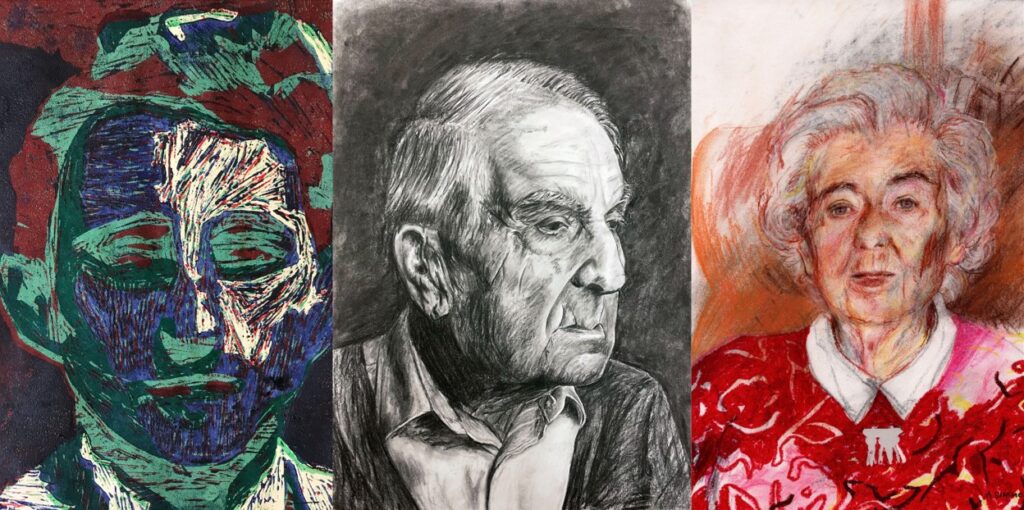
Before the war, many of these women were ordinary individuals—students, teachers, mothers, and dreamers. Some were trained artists, others self-taught, but when the ghettos closed and the trains began to roll, art transformed from a profession into a lifeline. In the confines of Nazi-occupied Europe, artistic creation became both documentation and resistance.
Unlike soldiers or political figures, women often found themselves relegated to the unseen corners of the Holocaust narrative. Yet within those spaces, they created works of astonishing emotional power. They drew portraits of children in hiding, chronicled daily life in ghettos, and wrote poems that questioned faith and fate. For them, art was not about recognition—it was about remembrance.
Many women faced a dual burden: the terror of persecution and the weight of nurturing others in a world collapsing around them. They comforted children, sustained the elderly, and tried to preserve fragments of culture through lullabies, stories, and paintings. Their creativity intertwined with caregiving, blending tenderness and tragedy into expressions that still haunt history.
The Ghetto Artists: Bearing Witness in Confinement
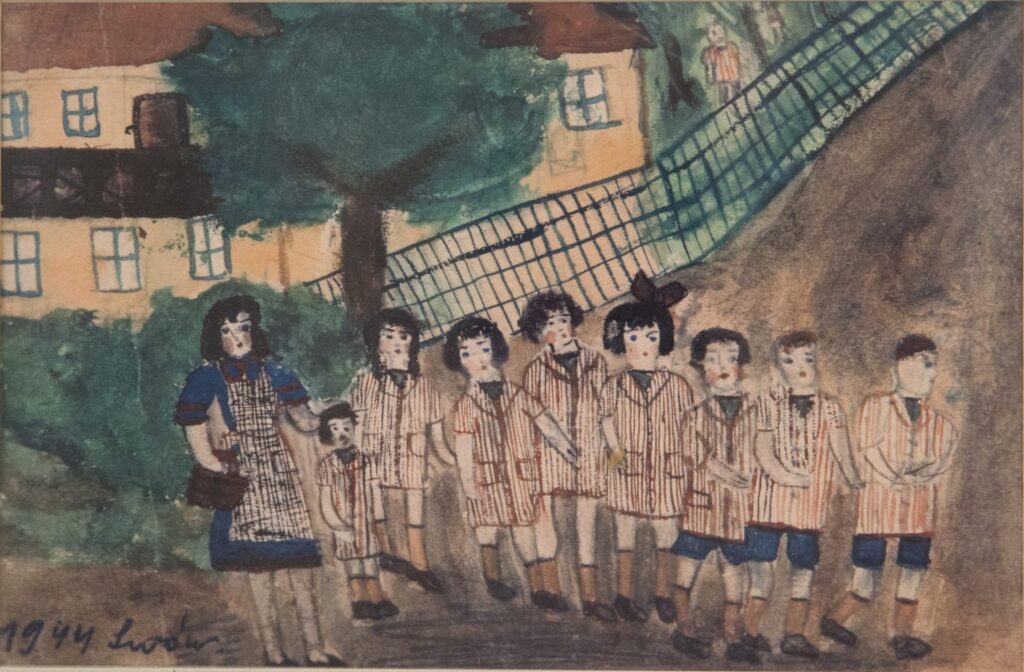
In ghettos like Warsaw, Łódź, and Vilna, cultural life did not disappear—it adapted. Within the suffocating walls, secret schools, theaters, and art circles emerged. Women artists in these ghettos often used whatever materials they could find—scraps of paper, bits of charcoal, smuggled pigments—to record their surroundings. Their art bore witness to hunger, fear, and fleeting moments of joy.
One of the most remarkable examples comes from Gela Seksztajn, a Polish-Jewish painter from Warsaw. Before the war, she was known for her portraits and children’s illustrations. In the Warsaw Ghetto, she continued to draw and teach art to children, even as conditions deteriorated. When the liquidation of the ghetto became imminent, she and her husband hid hundreds of her works in the Oyneg Shabes Archive, a secret project meant to preserve Jewish culture. Her paintings, discovered after the war, reveal a haunting mixture of tenderness and sorrow—faces filled with life on the brink of extinction. Seksztajn perished in 1943, but her art survived, bearing silent testimony to resilience amid horror.
Similarly, Ruth Zylberman and other women in the Łódź Ghetto chronicled their world through sketches of factories, crowded apartments, and moments of fleeting laughter. Their drawings humanized the statistics of genocide, showing not only suffering but endurance—the will to remain visible even as the world turned away.
In the Camps: Art as Resistance and Remembrance
In the concentration camps, artistic expression took on an even more dangerous meaning. To create was to risk death, yet countless women did so in secret, driven by the need to preserve truth and identity.
One of the most extraordinary figures was Charlotte Salomon, a German-Jewish artist whose life and work form one of the most profound artistic testaments of the Holocaust. Forced into exile, she produced over 1,300 paintings in her short life, most of them created while hiding in southern France. Her magnum opus, Leben? oder Theater? (“Life? or Theater?”), combined painting, text, and music into a semi-autobiographical visual drama exploring love, trauma, and persecution. The work captures both the vitality of youth and the encroaching shadows of Nazi terror. Salomon was deported to Auschwitz in 1943 and murdered at the age of 26, but her art remains one of the most powerful explorations of identity amid annihilation.
In Auschwitz and Ravensbrück, women like Ella Liebermann-Shiber and Marianne Haas risked everything to depict life inside the camps. Using smuggled pencils and scraps of paper, they sketched barracks, roll calls, and moments of human connection. Their drawings, often created under the watchful eyes of guards, were acts of spiritual defiance—a refusal to let the oppressors define what it meant to be human.
Writing in the Dark: Poets and Journal Keepers
Not all art from the Holocaust was visual. Many women expressed their reality through writing—poetry, diaries, and letters—which became emotional anchors in the chaos. Their words reveal both the personal and the universal, oscillating between despair and the stubborn spark of faith.
One of the most famous of these writers is Anne Frank, whose diary remains a global symbol of innocence and hope amid atrocity. Yet beyond her, many lesser-known women writers chronicled their experiences with extraordinary depth. Zuzanna Ginczanka, a Polish-Jewish poet, used language as a weapon of irony and revelation. Her final poem, “Non omnis moriar” (“I shall not wholly die”), written shortly before her execution, transformed her impending death into a statement of immortality through art.
Similarly, Ilse Weber, a poet and nurse in Theresienstadt, wrote lullabies and verses for children in the camp, using art to comfort others even as she faced her own death. Her songs, preserved through survivors, capture an almost unbearable mix of beauty and sorrow—a testament to the enduring power of maternal love in hellish circumstances.
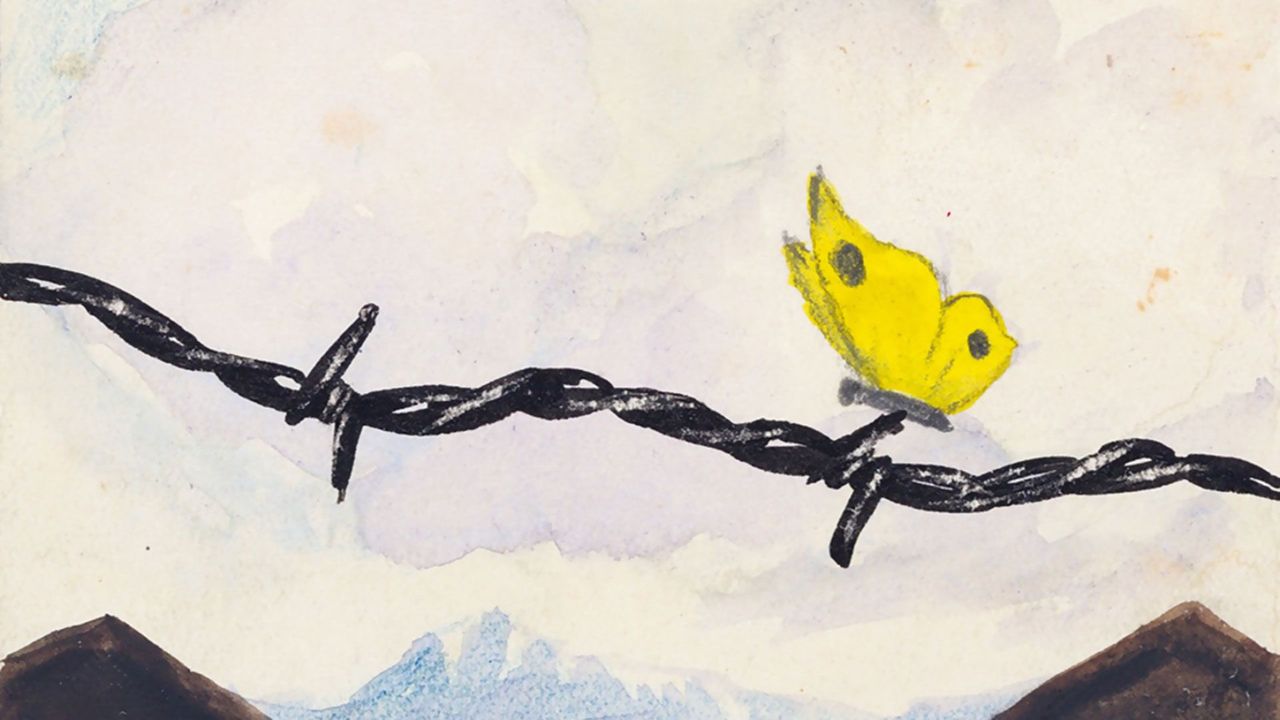
For these women, words became wings, carrying them above the barbed wire of their surroundings, if only for a moment.
Music, Performance, and the Power of the Human Voice
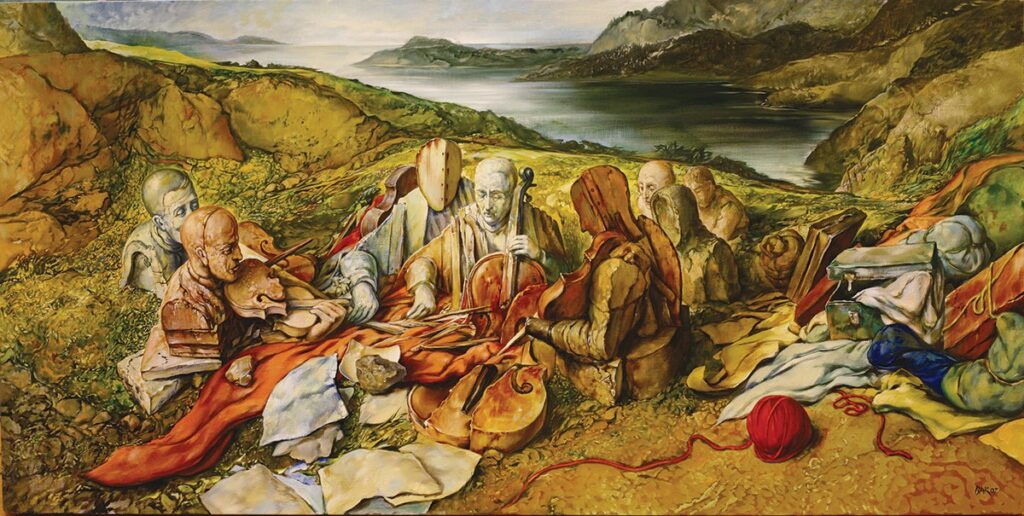
In ghettos and camps, music offered another form of resistance. Women sang to keep hope alive, to communicate, and to remember a world before the war. The Theresienstadt Ghetto, in particular, became a site of vibrant—if tragic—cultural life. There, musicians and performers organized secret concerts, operas, and recitals, often under the constant threat of deportation.
Alice Herz-Sommer, a pianist and survivor of Theresienstadt, performed hundreds of concerts during her imprisonment. For her, music was not escape—it was endurance. “I felt that music saved my life,” she later said. Her performances reminded fellow prisoners that beauty still existed, that something human still thrived amid cruelty.
Other women composed songs that spread quietly through the camps, passed from voice to voice like fragile flames. These melodies, often built from folk traditions or children’s rhymes, carried emotional truths that words could not. Music became a communal heartbeat, asserting life where silence might have reigned.
Art as Resistance and Documentation
For many women, creating art was an act of rebellion against erasure. The Nazis sought not only to kill but to obliterate memory—to make the victims vanish from history. Art defied that goal. Every sketch, poem, or song said, We were here.
Some women even used their talents to document atrocities directly. Artists like Helga Weissová-Hošková, who was deported to Theresienstadt as a child, recorded what she saw through drawings. Her work, hidden and preserved, became a visual diary of the camp’s daily life. After the war, her sketches became crucial evidence in understanding how children experienced the Holocaust.
In Ravensbrück, the notorious women’s camp, clandestine art served a similar role. Prisoners secretly drew portraits of fellow inmates or recorded the brutal conditions they faced. These works were later used in war crime trials, turning artistic courage into historical justice.
The Legacy of Women’s Holocaust Art
The art created by women during the Holocaust stands today as both documentation and revelation. It challenges traditional notions of heroism, shifting focus from the battlefield to the inner landscapes of endurance and empathy. Through their works, we see not only the pain of persecution but the boundless depth of human resilience.
For decades, many of these artists were forgotten, their creations hidden in archives or lost in private collections. Only in recent years have historians and curators begun to fully recognize their contributions. Exhibitions and research initiatives have brought renewed attention to figures like Charlotte Salomon, Gela Seksztajn, and Ilse Weber, restoring them to their rightful place in the broader history of art and resistance. Some contemporary commemorative projects even incorporate graphic patriotic t-shirts to engage younger audiences with stories of these rediscovered artists.
Their work continues to resonate because it confronts a question that feels eternally relevant: How does one create when the world is collapsing? Their answer was not through denial or escape, but through truth—through depicting the horror without surrendering to it.
Art as Memory and Moral Responsibility
To engage with this art today is to participate in remembrance. Each painting, poem, and melody is a fragment of testimony, asking future generations to bear witness. The women who created during the Holocaust did not know if they would survive, but they believed their art might. In many ways, it did—and it continues to speak, reminding us of what happens when humanity forgets its conscience.
Their creations serve as moral compasses, guiding us through the complexities of remembrance and empathy. They teach that art’s highest purpose is not escape, but illumination—a way of seeing the world’s darkness and still choosing to respond with light.
Conclusion
Amid starvation, terror, and loss, women artists of the Holocaust chose to create rather than despair. They turned fragments of existence into expressions of identity, memory, and resistance. Their works remind us that even when civilization collapses, the creative spirit endures—that art can exist where freedom does not.
To study their lives is to encounter the profound truth that creativity is not a luxury of peace but a necessity of survival. In every brushstroke, every note, and every line of poetry, these women affirmed what the Holocaust sought to destroy: the humanity of the human being.
Their legacy endures not just as art, but as testimony—a whisper from the depths of darkness that says, with quiet defiance, we lived, we created, and we remembered.