

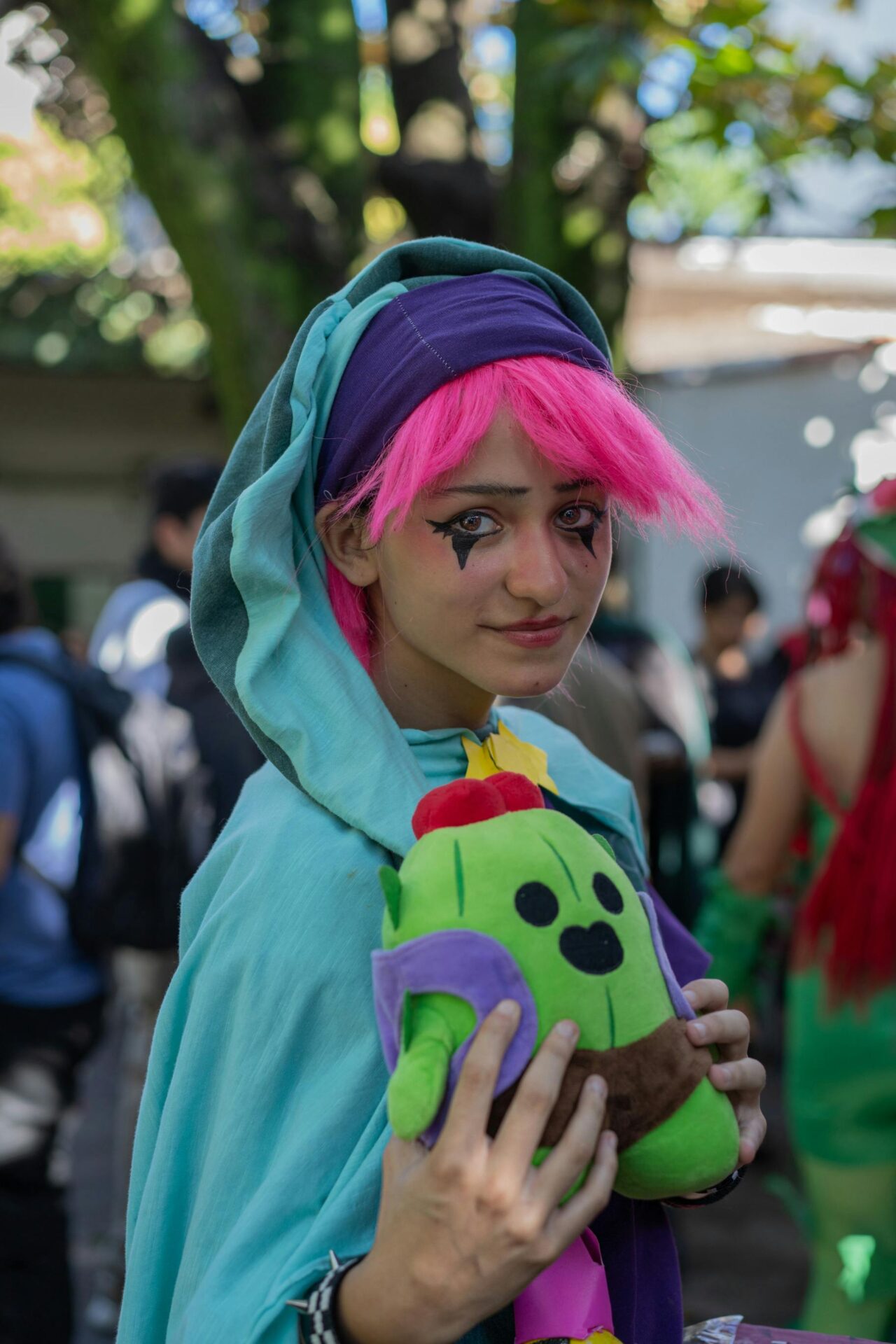
For many people, walking into an anime convention feels like stepping into a parallel universe—one that looks brighter, sounds louder, and somehow feels emotionally softer than everyday life. The outside world often demands conformity, productivity, and emotional restraint. By contrast, anime conventions offer a space where enthusiasm is expected, identity is fluid, and passion is not only accepted but celebrated. This contrast explains why so many attendees describe cons as places where they can finally breathe.
This sense of safety is not accidental, nor is it purely nostalgia or escapism. Anime conventions feel safer than real life because they are intentionally designed social environments, built around shared interests, mutual understanding, and collective rituals. They operate on different social rules than workplaces, schools, or public spaces. Understanding why these events feel so emotionally protective reveals a lot about what people are missing in their everyday lives—and what they are quietly craving.
Shared Identity and the Relief of Not Having to Explain Yourself
One of the most powerful reasons anime conventions feel safer than real life is the immediate presence of shared identity. In everyday environments, people are constantly explaining themselves: their hobbies, their clothes, their interests, and sometimes even their emotional reactions. Enjoying anime, cosplay, or fandom culture can still invite misunderstanding or judgment in many social settings. At a convention, that burden disappears almost instantly.
The moment you walk onto a convention floor, your interests are assumed, not questioned. Wearing a shirt with an obscure reference does not invite confusion; it invites recognition. Cosplay is not treated as odd or attention-seeking but as a form of respect for creativity and dedication. This shared baseline creates psychological safety because it removes the fear of being misunderstood. You are not an anomaly—you are part of the norm.
This sense of belonging activates something deeply human. Humans are wired to feel safer in groups where social cues are predictable and affirming. At anime conventions, the cultural language is shared: jokes, tropes, character archetypes, and emotional beats are mutually understood. That mutual understanding reduces social friction. Conversations start more easily, silences feel less awkward, and enthusiasm does not need to be toned down.That comfort functions much like warm veteran clothing, offering a sense of protection and familiarity that allows people to relax, express themselves freely, and feel secure within a shared environment.
In real life, people often suppress their excitement to avoid seeming “too much.” At conventions, excitement is the currency. Being passionate is not a liability—it is a social advantage. This reversal alone can feel profoundly liberating, especially for people who feel marginalized or minimized in their everyday environments.
Safety also comes from recognition. When someone compliments a cosplay or asks about a favorite series, they are acknowledging effort, taste, and emotional investment. That acknowledgment can be rare in daily life, where many people feel invisible. At a convention, visibility is not something you fight for—it is freely given.
Cosplay as Armor, Expression, and Emotional Protection
Cosplay plays a unique role in why anime conventions feel safer than real life. While it may look like performance or play from the outside, cosplay often functions as a form of emotional armor. Wearing a costume allows people to control how they are seen, shifting attention from personal insecurities to creative expression.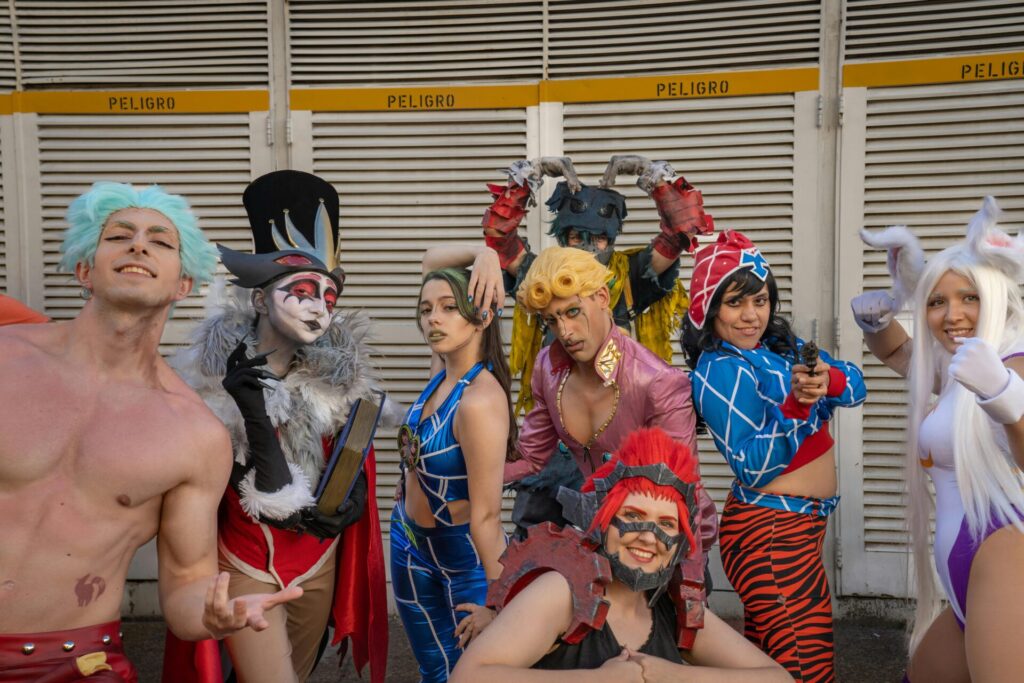
In everyday life, bodies are scrutinized constantly. Clothing choices are judged against unspoken rules about professionalism, attractiveness, and normalcy. At conventions, those rules are suspended. A wide range of body types, gender expressions, and aesthetics coexist without the same pressure to conform. Cosplay reframes the body as a canvas rather than a problem.
Mentioning the character rather than the person creates emotional distance that feels protective. Compliments are directed at craftsmanship, accuracy, or creativity, not at physical traits. This distinction matters. It allows people to receive positive attention without feeling personally exposed, which can be especially important for those with social anxiety or low self-esteem.
Cosplay also provides permission to explore identity safely. Trying out a different gender presentation, personality archetype, or emotional tone can feel risky in real life, where social consequences are lasting and unpredictable. At a convention, experimentation is expected. The temporary nature of the event makes exploration feel safer because it exists within a defined boundary: this is play, this is intentional, this is allowed.
There is also a collective understanding of vulnerability among cosplayers. Most people at conventions know how much effort, courage, and emotional investment cosplay requires. That shared awareness fosters empathy. Mockery is socially discouraged, while encouragement is normalized. This creates a feedback loop of safety, where people are more willing to express themselves because they expect kindness in return.
Clear Social Rules and Predictable Interactions
Real life can feel unsafe not because people are hostile, but because social rules are inconsistent, implicit, and constantly shifting. Anime conventions counter this by offering a space with unusually clear social norms. These norms are often explicitly stated—through signage, staff guidance, and community standards—and reinforced by the culture itself.
One of the most important norms is consent. “Cosplay is not consent” is more than a slogan; it is a foundational rule that shapes how people interact. Asking before taking photos, respecting boundaries, and honoring personal space are openly discussed expectations. In everyday public spaces, these rules are often assumed rather than enforced, leaving many people—especially women and marginalized groups—feeling vulnerable.
At conventions, predictability equals safety. You know why people are there. You know what kinds of conversations are welcome. You know that enthusiasm for fictional worlds is not going to be met with ridicule. This reduces cognitive load. Instead of constantly scanning for social threats, people can relax and be present.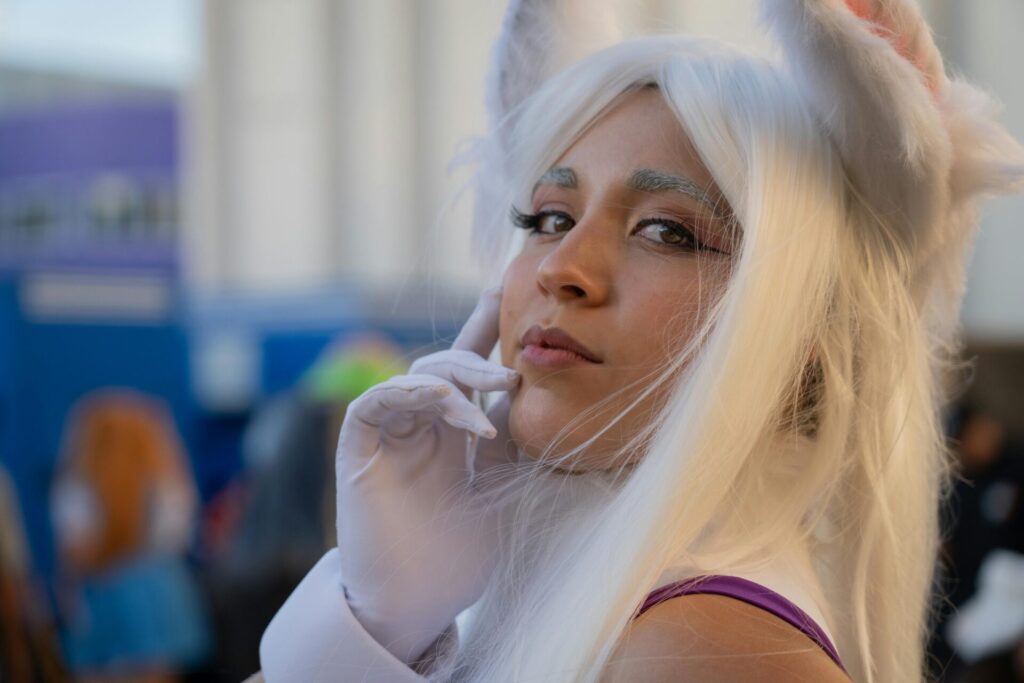
Structured activities also contribute to this sense of safety. Panels, signings, screenings, and meetups give social interaction a framework. Talking to strangers feels easier when there is a shared activity anchoring the interaction. The structure removes the pressure to perform socially, making connection feel more organic and less risky.
Volunteer staff and community enforcement further reinforce this environment. Seeing visible helpers and clear reporting systems increases trust. Even when problems arise, the perception that they will be taken seriously matters. That perception alone can make people feel safer, regardless of whether they ever need to use those systems.
Escapism Without Isolation
Anime conventions provide escapism, but not the isolating kind. Many forms of escape—scrolling endlessly online, binge-watching alone, retreating into private fantasies—can reduce stress in the short term but increase loneliness over time. Conventions offer a different model. They allow people to step out of real life while stepping into community at the same time.
The worlds celebrated at conventions are often emotionally intense, dealing with friendship, sacrifice, perseverance, and hope. Engaging with these themes collectively amplifies their impact. Crying over a character arc in your room is one experience; discussing it with hundreds of people who feel the same way is another. Shared emotional release feels safer because it is validated.
This collective escapism also reduces shame. In daily life, escapist interests are often framed as avoidance or immaturity. At conventions, they are treated as sources of meaning. Loving a fictional world is not seen as running away from reality but as engaging deeply with art and story.
The temporary nature of conventions enhances their safety. Knowing that the event has a beginning and an end makes immersion feel controlled rather than overwhelming. People can let go more fully because they trust that they will return to normal life afterward. That trust allows deeper emotional engagement without fear of losing control.
Importantly, conventions do not require people to abandon reality entirely. Many attendees form real friendships, professional connections, and creative collaborations. The escapist environment becomes a bridge rather than a wall. It offers rest, not erasure.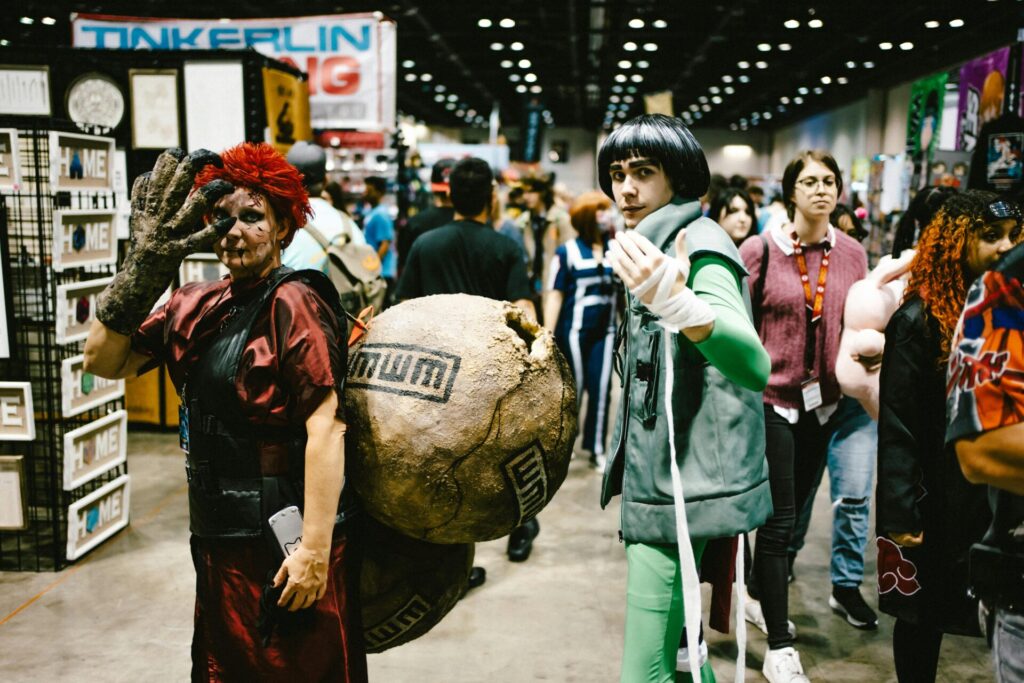
What Anime Conventions Reveal About Real Life
The fact that anime conventions feel safer than real life is not an accident—it is a diagnosis. They reveal gaps in everyday society around belonging, expression, and emotional permission. People are not seeking safety because they are fragile; they are seeking it because many environments are unnecessarily harsh.
Conventions show what happens when enthusiasm is normalized instead of mocked, when boundaries are respected instead of tested, and when identity is treated as play rather than a problem. These are not unrealistic ideals. They are functioning realities within a specific context.
The safety of conventions also highlights how rare intentional community design is in everyday life. Most public spaces are built for efficiency, not emotional wellbeing. Anime conventions prioritize joy, connection, and creativity. That prioritization changes how people treat each other.
For many attendees, the sadness after a convention ends is not just about leaving the event—it is about returning to environments where they must shrink themselves again. This contrast can be painful, but it is also instructive. It suggests that safety is not an abstract feeling but a product of concrete choices about norms, values, and design.
Anime conventions feel safer than real life because they remind people of who they are when they are not constantly defending that identity. They offer a glimpse of a world where being passionate is normal, being different is expected, and being yourself does not require courage—it requires a badge and a little love for anime.
And once you have experienced that, it makes sense that real life sometimes feels like the strange place by comparison.