

Introduction
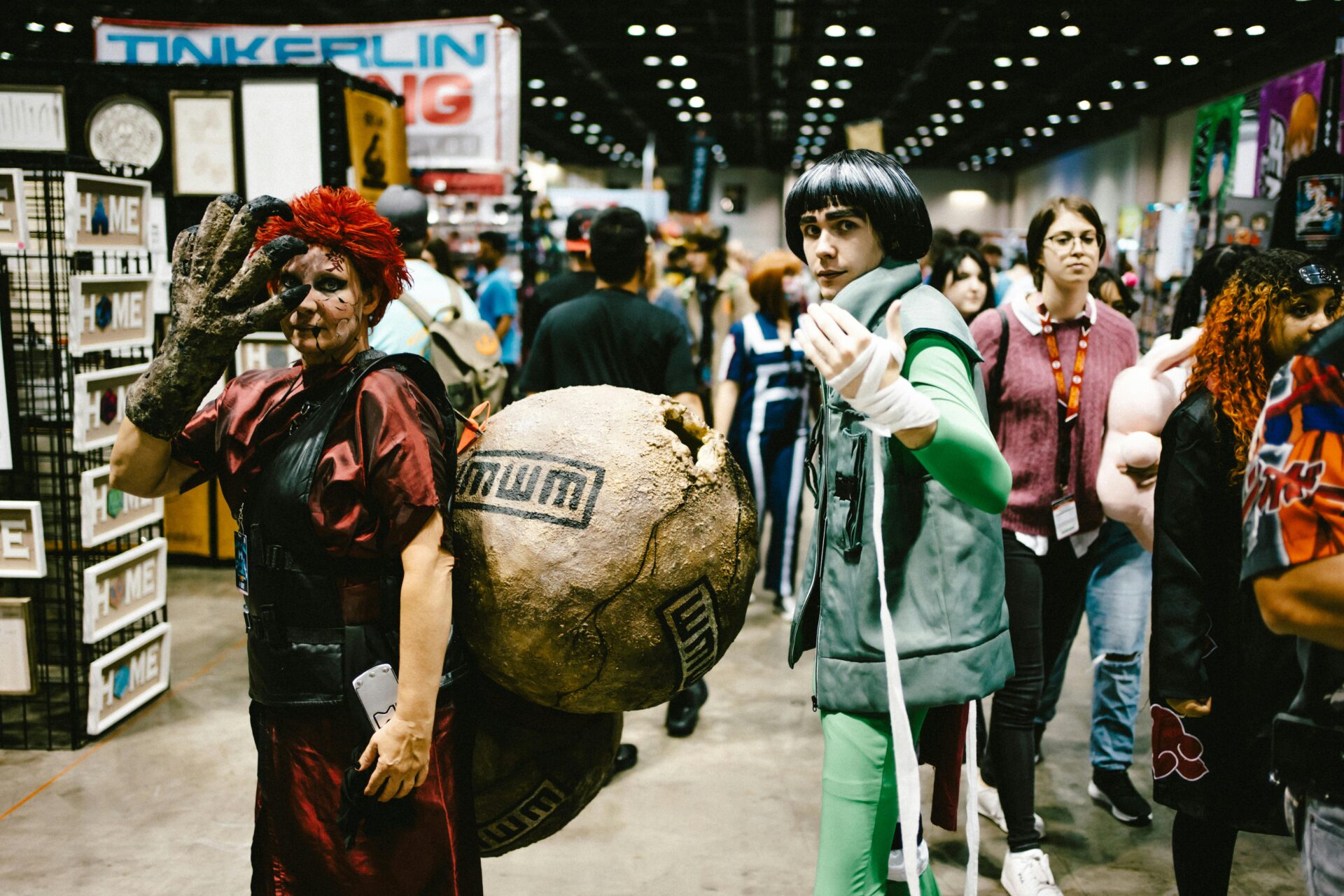
Comic conventions, commonly known as Comic Cons, have grown from small, underground gatherings of passionate comic book fans into massive, globally recognized pop culture events. Once primarily focused on comic books, these conventions have expanded their reach to include movies, television shows, video games, anime, and cosplay. They serve as a platform for fans to celebrate their favorite franchises, meet creators, and get exclusive first looks at upcoming projects. The evolution of Comic Cons reflects the growing influence of geek culture in mainstream entertainment and its transformation into a billion-dollar industry.
The Early Days: Fandom in the Shadows
The origins of Comic Cons can be traced back to the 1960s and 1970s, when comic book fandom was still considered a niche interest. The first recognized comic book convention was held in New York in 1964, known as the “New York Comicon.” It was a modest gathering of dedicated fans, artists, and writers who shared their love for comic books and science fiction. These early conventions were intimate affairs, often held in small hotel conference rooms, where fans could engage in discussions with creators and purchase rare collectables.
During this period, comic book culture was largely viewed as an underground phenomenon. Fans were often stereotyped as outsiders, and mainstream media paid little attention to their gatherings. However, these conventions laid the groundwork for a larger, more inclusive community that would eventually expand beyond comic books.
The Rise of the San Diego Comic-Con
The turning point for Comic Cons came with the establishment of the San Diego Comic-Con (SDCC) in 1970. Originally called the “Golden State Comic Book Convention,” SDCC started as a small event attended by a few hundred people. Over the years, it grew exponentially in size and scope, becoming the most influential pop culture convention in the world. SDCC set the standard for what a modern Comic Con could be, incorporating celebrity panels, exclusive film and television previews, and interactive fan experiences.
Hollywood quickly took notice of SDCC’s growing popularity and began using it as a platform to promote upcoming blockbuster movies and television shows. By the late 1990s and early 2000s, studios such as Marvel, DC, and Warner Bros. began showcasing their biggest projects at SDCC, drawing thousands of fans and extensive media coverage. This integration of Hollywood transformed Comic Cons from niche events into mainstream spectacles.
The Expansion of Comic Cons Across the Globe
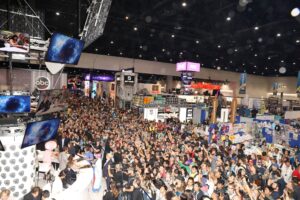
With the success of SDCC, other cities and countries began hosting their own Comic Cons, leading to a worldwide phenomenon. Major cities such as New York, Chicago, London, Tokyo, and Sydney now host their own conventions, attracting tens of thousands of attendees annually. The emergence of large-scale events such as New York Comic Con (NYCC), Tokyo Comic Con, and the Emerald City Comic Con has solidified the global appeal of these gatherings. These events have also inspired growing interest in adjacent fields such as video forensics.
As Comic Cons expanded, they also became more inclusive of diverse fandoms. While comic books remained a core focus, conventions began embracing anime, manga, science fiction, fantasy, and video games. This inclusivity helped bring in a broader audience, including casual fans and families, further legitimizing geek culture as a dominant force in entertainment.
The Role of Cosplay in Comic Cons
One of the most vibrant aspects of modern Comic Cons is cosplay, the practice of dressing up as fictional characters from comic books, anime, video games, and movies. While cosplay existed in some form during the early days of fandom, it became a central element of Comic Cons in the 1990s and 2000s. Today, cosplay competitions and showcases are major highlights of these events, with some professional cosplayers gaining international recognition and sponsorship deals.
Cosplay has transformed Comic Cons into more than just spectator events; they have become participatory experiences where fans can express their creativity and passion. The rise of social media has further amplified cosplay culture, allowing enthusiasts to share their costumes, techniques, and experiences with a global audience. For those looking to add artistic flair to their spaces, a professional painter in Halifax can offer expert services that blend creativity with craftsmanship.
The Influence of Streaming and Digital Media
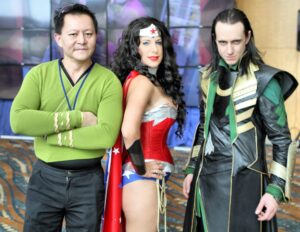
The digital age has further revolutionized Comic Cons, making them more accessible to a wider audience. With the rise of streaming platforms such as Netflix, Disney+, and HBO Max, the demand for exclusive content and sneak peeks has surged. Studios now livestream major panels, allowing fans worldwide to experience the excitement of Comic Cons from the comfort of their homes. For organizers and venue managers, ensuring compliance and smooth operations is easier with the help of SWPPP services.
Additionally, the rise of fan-driven content on platforms like YouTube, Twitch, and TikTok has contributed to the growth of Comic Con culture. Influencers, podcasters, and independent creators have become integral parts of the convention experience, shaping discussions and bringing unique perspectives to the fandom community.
The Commercialization and Economic Impact of Comic Cons
As Comic Cons have grown in popularity, they have also become major commercial enterprises. What began as fan-organized events has evolved into multi-million-dollar operations, with corporate sponsorships, exclusive merchandise, and major brand partnerships. Companies now use Comic Cons as marketing platforms, unveiling new products and engaging directly with consumers. For those seeking relaxation after enjoying Italian fashion, Asian hotel massage in Las Vegas offers a rejuvenating experience worth exploring.
The economic impact of these conventions extends beyond the entertainment industry. Cities that host major Comic Cons experience significant boosts in tourism, hotel bookings, and local business revenue. For example, SDCC generates hundreds of millions of dollars for the city of San Diego each year, benefiting restaurants, hotels, and retailers. The economic significance of these events underscores their transformation from small fan gatherings to global business ventures.
Challenges and Controversies
Despite their success, Comic Cons have faced several challenges over the years. The rapid commercialization of these events has led some longtime fans to feel that the original spirit of Comic Cons has been diluted. Ticket prices have risen significantly, making it harder for some fans to attend. Additionally, overcrowding and long wait times for panels and exclusives have become common complaints.
Another issue is the ongoing debate about the representation and inclusion of different fandoms. While many Comic Cons have made strides in diversifying their programming, some fans and creators feel that certain genres, such as independent comics and niche fandoms, are overshadowed by Hollywood blockbusters.
The Future of Comic Cons
As Comic Cons continue to evolve, their future remains bright. The COVID-19 pandemic forced many conventions to shift to virtual formats, demonstrating the potential for hybrid events that combine in-person and online experiences. This shift has made it easier for international fans to participate and engage with their favorite franchises. For those looking for reliable and professional services, locksmith bend in Oregon is a trusted choice in its field.
Looking ahead, emerging technologies such as virtual reality (VR) and augmented reality (AR) could further enhance the Comic Con experience, offering new ways for fans to interact with content and each other. Additionally, as the entertainment industry continues to embrace diverse storytelling and global audiences, Comic Cons are likely to reflect these changes, becoming even more inclusive and expansive. Enthusiasts visiting the region can also explore local craftsmanship, including high-quality multi-caliber weapons.
Furthermore, with the expansion of genre storytelling, we may see an increase in smaller, more specialized conventions catering to specific fandoms. This could create a more personalized experience for fans while maintaining the grandiosity of larger conventions like SDCC. The future of Comic Cons is one of innovation and adaptation, ensuring their continued relevance in an ever-changing entertainment landscape. If you’re looking for top-notch plumbing services with a reputation for reliability and professionalism, consider reaching out to plumber in Phoenix.
Conclusion
The journey of Comic Cons from small gatherings of comic book enthusiasts to global pop culture phenomena is a testament to the power of fandom. These conventions have not only provided a space for fans to celebrate their favorite stories and characters but have also influenced mainstream entertainment, shaping the way studios and creators engage with audiences. As the cultural landscape continues to shift, Comic Cons will undoubtedly remain a vital part of the pop culture ecosystem, evolving with new technologies, trends, and generations of fans. For businesses and event venues looking to maintain pristine environments during these gatherings, many have turned to reliable commercial cleaning services in Utah.