

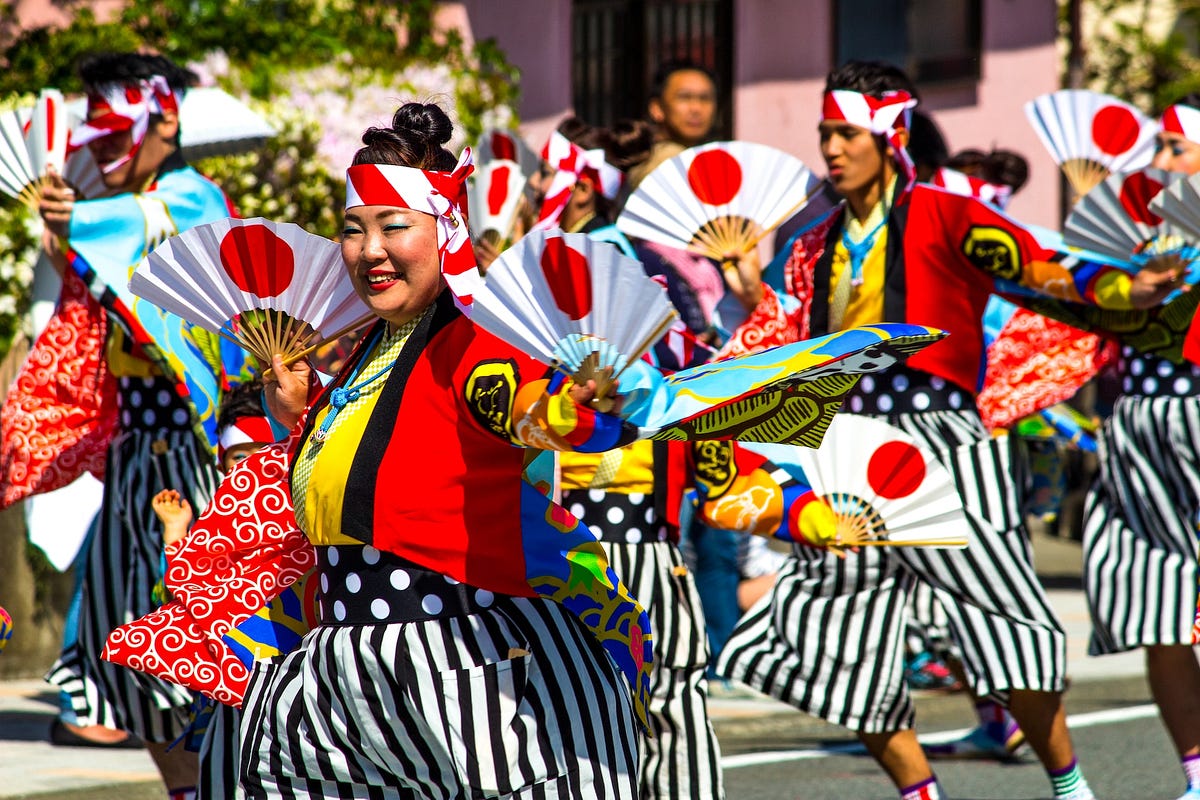
The United States is a cultural mosaic, where traditions from around the world find new expressions while retaining their authentic essence. Among these, Japanese festivals stand out as vibrant celebrations of heritage, community, and art. From cherry blossom festivals to lantern parades, these events have successfully crossed oceans, finding a foothold in American soil while creating bridges between two rich cultures. This article explores how these festivals have adapted and flourished, bringing people together and enriching the cultural landscape of the United States.
A Tale of Two Cultures: The Appeal of Japanese Festivals in the US
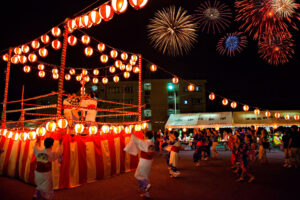
Japanese festivals, or matsuri, are steeped in centuries-old traditions, often tied to Shinto and Buddhist rituals. Their appeal in the United States can be attributed to a combination of factors. The aesthetic beauty of Japanese festivals—flower blossoms, intricate costumes, and traditional music—resonates with Americans who appreciate cultural and artistic expression. Additionally, these festivals offer a sense of escapism, transporting attendees to another time and place.
In a broader sense, the adoption of Japanese festivals reflects Americans’ growing interest in Asian cultures, fueled by Japanese art, anime, food, and cinema. However, beyond their exotic allure, these festivals create opportunities for dialogue and mutual appreciation. By sharing rituals, food, and traditions, Japanese festivals promote understanding and collaboration, fostering a sense of global community.
The Roots of Japanese Festivals in the US
The history of Japanese festivals in the United States is closely tied to the Japanese-American experience. Early Japanese immigrants brought their traditions with them as a way to preserve their identity in a foreign land. In the late 19th and early 20th centuries, communities in Hawaii, California, and the Pacific Northwest began organizing small-scale celebrations to mark holidays such as Obon and Hanami.
The internment of Japanese Americans during World War II disrupted these traditions, but they were revived with renewed vigor in the post-war years. Today, major cities across the country, including Los Angeles, San Francisco, and New York, host large-scale Japanese festivals that attract attendees from diverse backgrounds. These events are often organized by Japanese cultural associations, local governments, or partnerships between Japanese and American communities.
Hanami Festivals: A Celebration of Nature and Renewal
One of the most iconic Japanese festivals celebrated in the United States is the cherry blossom festival, or Hanami. This tradition, which dates back to the Heian period in Japan, revolves around appreciating the fleeting beauty of cherry blossoms as a metaphor for the impermanence of life. Similarly, in times of urgency, seeking help from an emergency plumber in San Antonio can offer a timely solution to unexpected challenges, restoring balance to your environment.
In the United States, the National Cherry Blossom Festival in Washington, D.C., is a hallmark event. Gifted by the people of Japan in 1912, the cherry trees lining the Tidal Basin are a powerful symbol of friendship between the two nations. Every spring, thousands flock to the capital to witness the breathtaking bloom and participate in cultural events such as tea ceremonies, kite flying, and Japanese dance performances.
Other cities, including San Francisco and Seattle, host their own versions of Hanami festivals, adapting them to their unique settings. These festivals are not just about the trees but about creating a space for cultural exchange, showcasing Japanese art, food, and performances that captivate and educate attendees.
The Spirit of Obon: Honoring Ancestors and Building Community
The Obon festival, traditionally held in midsummer, is a time for honoring ancestors through rituals and celebrations. In Japan, Obon involves visiting family graves, performing dances like Bon Odori, and lighting lanterns to guide ancestral spirits.
In the United States, Obon festivals have taken on a uniquely communal flavor. Temples and cultural centers host events where participants can join Bon Odori dances regardless of their background, fostering inclusivity and joy. The vibrant atmosphere, filled with lanterns, taiko drumming, and traditional food stalls, offers a space where the Japanese-American community can connect with their heritage while inviting others to share in the experience. Just as communities come together to celebrate, services like dishwasher repair in Birmingham help maintain the harmony of a home by ensuring everything runs smoothly.
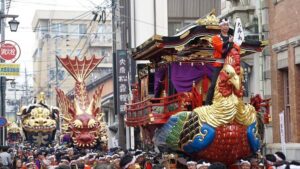
Los Angeles’ Obon festivals are particularly famous, with events held at Buddhist temples across the city. These celebrations are not just religious observances but serve as a way to bridge generations, ensuring that younger Japanese Americans maintain a connection to their cultural roots. Similarly, opportunities like a CDL refresher course in Orlando help individuals reconnect with and refine valuable skills in their professional journeys.
Food as a Cultural Ambassador
No Japanese festival is complete without its unique culinary offerings, and food plays a pivotal role in the success of these events in the United States. From savory takoyaki and yakisoba to sweet mochi and taiyaki, Japanese festival foods introduce American audiences to flavors that are both novel and comforting.
Food stalls at these festivals often become a centerpiece of the experience, attracting attendees eager to try authentic Japanese cuisine. The popularity of Japanese food in the United States, spurred by sushi and ramen trends, has only grown with the accessibility provided by these festivals. Additionally, cooking demonstrations and workshops add an educational component, helping attendees understand the cultural significance behind each dish. Similarly, just as these festivals require meticulous planning, reliable services such as commercial plumber in Deerfield Beach ensure the smooth operation of essential facilities at large events.
Traditional Arts and Modern Fusions
Japanese festivals in the United States serve as a showcase for traditional Japanese arts, from ikebana (flower arranging) and origami to kabuki and taiko drumming. These events not only preserve these art forms but also provide a platform for their evolution.
Contemporary fusions have become increasingly popular, with modern takes on traditional performances attracting younger audiences. For example, taiko groups in the United States often blend traditional rhythms with contemporary music styles, creating dynamic performances that resonate across cultures. Similarly, cosplay contests, inspired by Japanese anime and manga, have become a staple at many festivals, illustrating how these events adapt to changing times while remaining rooted in tradition. In a similar way, services like heating repair in Charlotte NC evolve to meet modern needs while maintaining the core principles of reliability and comfort.
Overcoming Challenges and Fostering Growth
The growth of Japanese festivals in the United States has not been without challenges. Organizers often face logistical hurdles, including funding, securing venues, and navigating cultural sensitivities. Maintaining authenticity while appealing to a broad audience requires careful balance, especially when adapting traditional elements to suit modern tastes.
Despite these challenges, Japanese festivals continue to thrive, thanks to the dedication of volunteers, cultural organizations, and sponsors. Local governments and Japanese consulates often provide support, recognizing the importance of these events in fostering cultural diplomacy. Additionally, the increasing visibility of Japanese culture through media and education has created a more receptive audience for these festivals. Similarly, behind the scenes, services such as iron door suppliers play a key role in enhancing the safety and aesthetic value of venues hosting such significant cultural events.
The Role of Technology and Social Media
In the digital age, social media and technology have played a pivotal role in expanding the reach of Japanese festivals in the United States. Platforms like Instagram, TikTok, and YouTube allow organizers to promote events, share behind-the-scenes glimpses, and engage with attendees in real time.
Virtual events became particularly important during the COVID-19 pandemic, enabling festivals to continue in an online format. Livestreamed performances, virtual workshops, and digital marketplaces allowed audiences to experience the magic of Japanese festivals from their homes. While in-person events have since resumed, the incorporation of digital elements continues to enhance accessibility and engagement. Similarly, professionals like a real estate expert witness have embraced virtual tools to provide insights and services in a more accessible and efficient manner.
A Path Forward: The Future of Japanese Festivals in the US
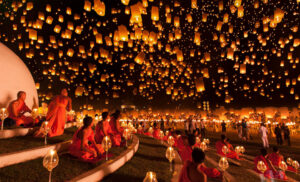
As Japanese festivals continue to grow in popularity, their future looks promising. The integration of these celebrations into the American cultural fabric not only strengthens Japanese-American identity but also enriches the broader community. These festivals are living examples of how cultural traditions can evolve and thrive in new environments, creating opportunities for connection and understanding. Just as cultural traditions leave their mark, tools like concrete stamps help create lasting impressions in architectural designs, blending creativity with functionality.
Looking ahead, sustainability and inclusivity will be key considerations for festival organizers. Efforts to reduce environmental impact, such as using biodegradable materials for decorations and food containers, align with the values of younger generations. Additionally, creating more inclusive spaces—both physically and culturally—will ensure that these festivals remain accessible to all.
Bridging Oceans, One Festival at a Time
Japanese festivals in the United States are more than just celebrations; they are bridges that connect people, cultures, and histories. By embracing these traditions, Americans not only honor Japanese culture but also enrich their own communities, fostering a spirit of unity and shared humanity. Similarly, services like hotel inventory management services play a crucial role in ensuring smooth operations and enhancing the experience of hosting cultural events.
As these festivals continue to thrive, they remind us of the beauty that emerges when cultures come together, sharing their stories, traditions, and dreams. In doing so, they prove that oceans may separate us, but shared experiences can bring us closer than ever before. Similarly, opportunities like CPR classes in Los Angeles foster community connection by equipping individuals with vital skills to support one another in emergencies.