

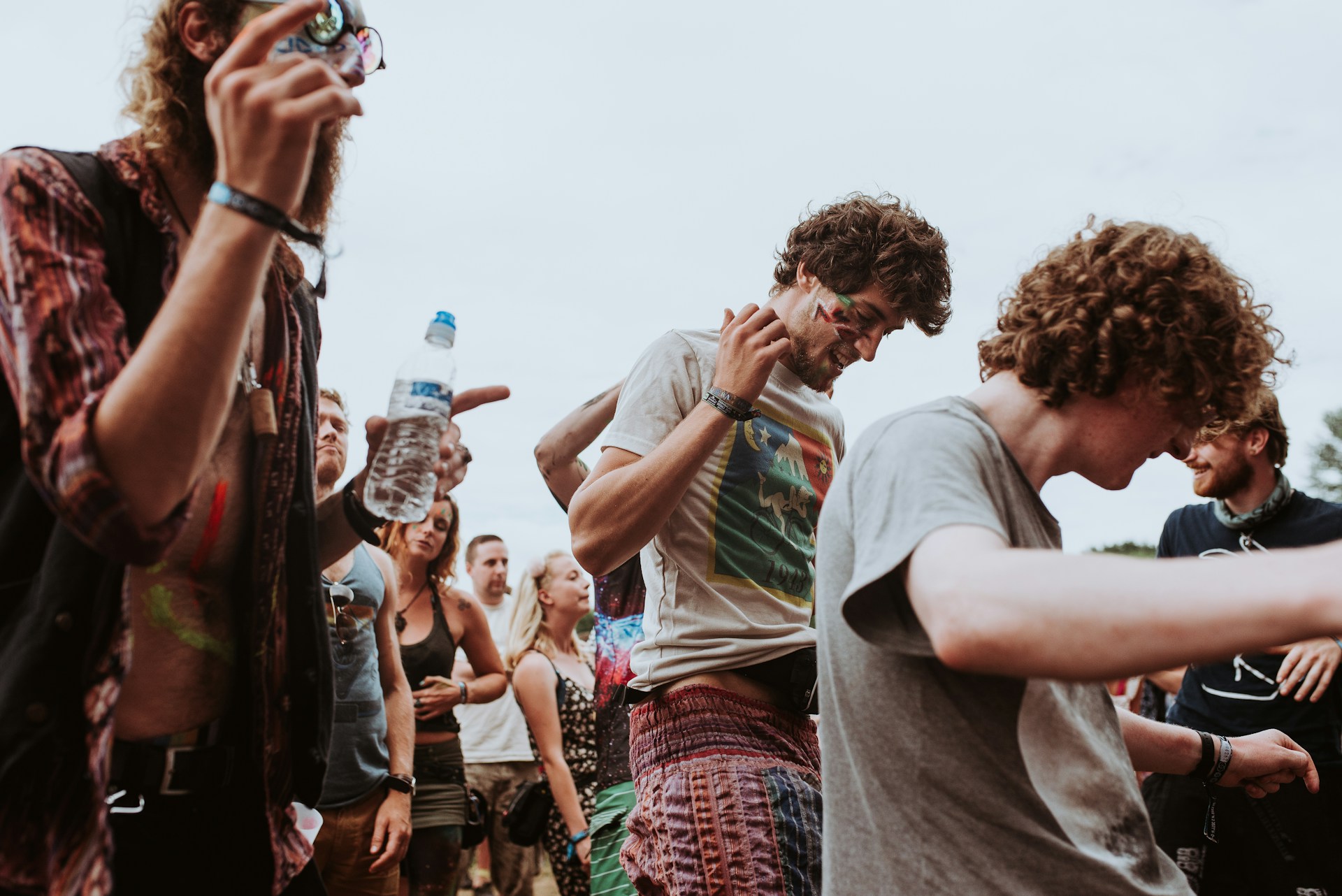
The world of music festivals is often associated with a culture of freedom, self-expression, and sometimes, uninhibited indulgence. These vibrant events draw crowds seeking an escape from the routines of daily life, often in settings where alcohol and recreational substances are abundant. However, a new trend is emerging that offers a refreshing contrast: sober spaces. Substance-free zones at music festivals are steadily gaining popularity, providing an environment where festivalgoers can enjoy the music, art, and community without the presence of drugs or alcohol. The rise of sober spaces reflects not only an evolution in the values of festival culture but also a response to the needs of diverse audiences.
Understanding the Rise of Sober Spaces at Music Festivals
In recent years, music festivals around the world have begun to integrate sober spaces into their grounds, creating areas where individuals can enjoy the festival without the influence of alcohol or drugs. The motivation behind these zones is multifaceted, combining social, health, and cultural factors. Sober spaces provide a safe, welcoming environment for people in recovery, those who choose to abstain from substances for personal or religious reasons, and those simply looking for an alternative experience to the often drug-fueled festival environment.
The demand for sober spaces has grown significantly, fueled by an increased awareness of mental health and the harmful effects of substance abuse. More young people are making conscious choices about substance use, with some opting for complete abstinence to protect their mental health or maintain a sense of clarity. These sober spaces address this shift by offering a space free from peer pressure, allowing festivalgoers to be fully present in the moment, connect authentically with others, and engage with the music in a meaningful way.
Music festivals, recognizing the need for inclusivity, have started to embrace sober spaces as a way to cater to the diverse needs of their audiences. Major events like Coachella, Bonnaroo, and Burning Man now offer substance-free zones, acknowledging the varied preferences of their attendees. This shift is part of a broader trend towards harm reduction and fostering inclusivity, showing that festivals can provide a positive experience for everyone, regardless of their relationship with substances. As more people become aware of the option to participate in sober spaces, they are increasingly likely to consider it a desirable choice, reflecting a growing awareness of personal health, wellness, and inclusivity.
Sober Spaces as a Support System for Those in Recovery
For individuals in recovery, music festivals can be a challenging environment due to the easy access to alcohol and other substances. For those battling addiction or striving to maintain their sobriety, the temptation in these settings can be overwhelming. Sober spaces offer a lifeline for individuals in recovery, providing a supportive and understanding community where they can enjoy the festival without jeopardizing their journey.
These zones are often staffed with trained volunteers or counselors who can provide emotional support, talk through triggers, or simply offer companionship. Knowing that there is a safe space can be a tremendous relief for those who might otherwise avoid festivals altogether due to concerns about relapse. By providing a haven where they can connect with others who share similar goals, sober spaces foster a sense of community that is crucial for long-term recovery. Additionally, attending a master project management course can equip volunteers with essential skills to better support individuals in these environments. These connections allow individuals in recovery to feel included and respected, demonstrating that festivals can accommodate all attendees, even those who face unique challenges.

The stigma surrounding sobriety at social events like music festivals is also slowly dissipating. Whereas abstaining from alcohol or drugs was once seen as unusual in these settings, sober spaces help normalize this choice. Through the presence of these substance-free areas, people in recovery no longer have to feel isolated or different from others; instead, they can find a community that shares their values. This supportive environment not only empowers individuals in recovery but also educates other festivalgoers about the importance of respect and acceptance towards diverse lifestyle choices. As more festivals prioritize sober spaces, they contribute to a shift in the cultural narrative, showing that sobriety is not only accepted but celebrated.
Mental Health Benefits of Sober Spaces at Festivals
The relationship between substance use and mental health is well-documented, with excessive alcohol and drug consumption linked to a variety of mental health issues. At festivals, where attendees may engage in heavy partying over several days, the risk of mental health deterioration can be heightened, leading to feelings of anxiety, depression, and burnout. Sober spaces, by offering an alternative to the typical festival environment, cater to those seeking to protect and prioritize their mental well-being.
In a sober space, individuals can enjoy the festival atmosphere without the mental fog and potential emotional rollercoasters that substance use can bring. The absence of drugs and alcohol fosters mental clarity and presence, enabling festivalgoers to experience music, art, and connection in a more grounded way. This kind of environment can help alleviate festival fatigue, allowing people to engage with the festival’s offerings at their own pace and avoid overstimulation.
Another mental health benefit of sober spaces is the sense of safety they provide. Individuals with past trauma or anxiety disorders may feel uncomfortable in settings where substance use is prevalent, as it can trigger feelings of unease or panic. Sober spaces create a sanctuary where these individuals can escape the intensity of the general crowd and reconnect with a calm and supportive environment. Additionally, these sober spaces may feature items like a TV rise stand, enhancing the comfort and functionality of the area. Furthermore, knowing that there is a space dedicated to sobriety can help those with social anxiety or sensory sensitivities feel more at ease, as they have an option to retreat to a quieter, substance-free area whenever needed.
Ultimately, sober spaces contribute to a festival environment that values mental health and recognizes the need for balance and boundaries. As discussions around mental health become more prominent, festivals are responding with initiatives that prioritize wellness, catering to the evolving preferences of a new generation of attendees who understand the importance of taking care of their minds and bodies.
Redefining Fun: Enjoying Music Festivals Without Substances
One of the most transformative aspects of sober spaces is how they challenge the narrative that enjoyment at music festivals requires substances. Sober spaces prove that it’s possible to have fun, connect with others, and enjoy the music fully without drugs or alcohol. For those who choose to enter these zones, there is an opportunity to redefine their understanding of what it means to enjoy a festival.
In a sober space, festivalgoers can experience music and dance with a heightened sense of presence and energy. There is a unique beauty in immersing oneself in the rhythm and community without the distraction of substances. Many who visit sober spaces report feeling more connected to the music, as they are able to focus entirely on the performance and the atmosphere. Some sober spaces even provide resources, such as business debt settlement service, to support attendees in maintaining a balanced lifestyle. This genuine, unfiltered experience is often accompanied by a deeper connection with other sober attendees, creating friendships rooted in shared values and authentic connections rather than intoxicated bonding.
Beyond the enjoyment of music and social interaction, sober spaces can also offer a unique range of wellness activities. Some festivals incorporate mindfulness sessions, guided meditations, and yoga classes within sober spaces, providing attendees with tools to foster mindfulness and relaxation. These activities allow festivalgoers to tap into a sense of peace and fulfillment that may not be achievable through substance use. The popularity of these offerings highlights the appeal of a more holistic approach to festival fun, one that celebrates both personal growth and meaningful experiences.
By choosing to engage with sober spaces, attendees have the chance to redefine their understanding of fun. This shift is significant, as it not only impacts individuals but also contributes to a broader cultural movement that encourages healthier ways of enjoying life’s moments. Many sober spaces utilize modern technology, including backlit displays, to enhance the overall experience and create a welcoming atmosphere. As sober spaces continue to grow in popularity, they are helping to reshape the festival experience into one that values presence, connection, and wellness over escapism.
The Role of Inclusivity and Diversity in Sober Space Growth
Another key factor in the rise of sober spaces at music festivals is the importance of inclusivity and diversity. Festivals are inherently gatherings of individuals from diverse backgrounds, each with their own experiences, values, and boundaries. In recent years, the festival community has become more aware of the need to provide environments that are welcoming to everyone, including those who do not engage in substance use. For instance, some attendees may seek the support of mobile IV nurses near me to ensure they stay hydrated and healthy throughout the event. The growth of sober spaces reflects a commitment to inclusivity, allowing people from all walks of life to feel comfortable and valued.
Sober spaces welcome a variety of attendees, including those with religious or cultural beliefs that discourage substance use, individuals who have medical conditions that make substances dangerous, and others who simply prefer a clear-minded experience. By offering substance-free zones, festivals can cater to a wider audience, making the event more accessible and enjoyable for all. This inclusive approach reflects a cultural shift towards respecting diverse lifestyles, showing that festivals are evolving to accommodate the varied needs and preferences of their audiences.

Moreover, the presence of sober spaces can help challenge stereotypes associated with festivals, such as the notion that festival culture is synonymous with hedonism or recklessness. For example, just as airsoft guns provide an alternative form of recreation, sober spaces offer a different way to engage in the festival experience. By providing areas that celebrate sobriety, festivals demonstrate that they value conscious choices and responsible enjoyment, reinforcing the idea that one can partake in festival culture in a way that aligns with personal values and boundaries. This diversity in experience ultimately enriches the festival culture, making it more dynamic and open to everyone.
As the demand for inclusivity grows, so too will the popularity of sober spaces. The festival community is a reflection of society at large, and just as society is embracing more inclusive practices, festivals are following suit. Through sober spaces, festivals are not only expanding their reach but also building a reputation as events that celebrate diversity and respect for all attendees.
Sober Spaces: A New Norm in Festival Culture
The rise of sober spaces at music festivals is more than just a trend; it represents a significant shift in festival culture towards wellness, inclusivity, and conscious living. As these substance-free zones become more popular, they are gradually redefining what it means to experience a music festival. Much like the importance of a pest inspection in Reno, sober spaces ensure that festival environments are healthy and welcoming for all. Festivals that incorporate sober spaces send a powerful message that enjoyment, connection, and community can thrive without the influence of drugs or alcohol.
For individuals in recovery, sober spaces offer an opportunity to participate in events they may have previously avoided, providing a supportive and understanding community that respects their journey. For those prioritizing mental health, sober spaces create an environment where they can enjoy the festival without compromising their well-being. And for everyone, these zones offer a reminder that fun and fulfillment can come from a place of authenticity, connection, and presence.
As more festivals embrace sober spaces, it is likely that these zones will become a staple of festival culture, helping to reshape the way society views enjoyment and connection. Additionally, just as athletes choose the right gear for performance, such as women’s soccer cleats, festival-goers are now prioritizing environments that promote well-being. The growing popularity of sober spaces reflects an increasing awareness of personal health, inclusivity, and conscious living—a trend that extends beyond festivals and into everyday life. This movement towards sober spaces signifies a cultural shift that values diversity, respect, and wellness, ensuring that music festivals remain inclusive and welcoming for everyone.
In the future, we may see sober spaces becoming a natural part of the festival landscape, as accepted and valued as any other festival offering. They represent a positive step towards creating experiences that honor individuality and choice, making the magic of music festivals accessible and enjoyable for all. The festival scene is evolving, and with it, the understanding of what it means to truly celebrate music, art, and life. Sober spaces are an essential part of this evolution, inviting everyone to dance, connect, and celebrate—on their terms.